15 Things You Must Know About Hot Tub Covers
Owning a hot tub is a luxury, but maintaining it properly is the key to enjoying it fully. One of the most important accessories that many hot tub owners overlook is the cover. A good hot tub cover doesn’t just keep your spa clean—it saves energy, prolongs the life of your tub, and even improves safety. Here’s everything you need to know about hot tub covers.
1. The Main Purpose
Hot tub covers are designed to protect your spa from external elements while keeping the water temperature stable. Without a cover, your tub is exposed to leaves, dirt, insects, and even bird droppings, which can make maintenance a nightmare. Additionally, water evaporates quickly when uncovered, leading to higher chemical use and energy costs. A properly fitted cover ensures your spa remains clean, warm, and ready to use whenever you want to relax.
2. Different Types of Covers
Hot tub covers come in multiple types, each suited for specific needs and budgets:
-
Standard Foam Covers: Made from lightweight foam, these are easy to handle and provide basic insulation. They are ideal for mild climates or tubs that aren’t used daily.
-
Vinyl-Covered Foam: A step up in durability, these covers feature a weather-resistant vinyl layer over foam, offering better insulation and longer life.
-
Hard-Shell Covers: These are often reinforced with stronger cores and are lockable for safety. Hard-shell covers provide maximum insulation, protect against heavy snow or debris, and usually last the longest. Choosing the right type depends on your local climate, usage frequency, and personal preference.
3. Materials Matter
Most hot tub covers are made with a combination of foam cores and vinyl exteriors. High-quality vinyl is essential; it should be UV-resistant, waterproof, and weatherproof. Low-quality vinyl cracks, fades, or splits quickly under sun exposure or extreme temperatures. The foam inside the cover provides insulation, helping retain heat and keeping the water warm even during colder months. The combination of strong exterior and insulated interior determines the cover’s effectiveness and longevity.
4. Check the R-Value
The R-value measures a cover’s ability to resist heat loss. The higher the R-value, the better it keeps the water warm, reducing the energy required to maintain temperature. For cold climates, a higher R-value is essential to prevent heat loss and reduce energy bills. For example, an R-value of 12–14 is usually sufficient for moderate climates, while extreme winter areas may require R-values above 20. Investing in a cover with a high R-value pays off through energy savings over time.
5. Fit is Everything
A cover that doesn’t fit properly can undo all the benefits. Loose covers allow heat to escape and let debris and insects enter your spa. Even a small gap can cause energy loss and water contamination. Measure your hot tub carefully and consider custom-fit covers if your tub is irregularly shaped. A snug, properly fitted cover ensures maximum insulation, protection, and efficiency, making your spa easier to maintain and more enjoyable to use.
6. Maintenance is Key
Hot tub covers require regular maintenance to remain effective. Cleaning with mild soap and water prevents dirt, grime, and mildew from building up. Avoid harsh chemicals that can damage vinyl or foam. Inspect your cover periodically for cracks, leaks, or water pooling on top. Using a protective spray or conditioner for vinyl can prolong its life. Regular maintenance not only improves the cover’s appearance but also ensures it continues to protect your spa effectively.
7. Weight Considerations
Some hot tub covers are heavy, especially hard-shell or reinforced types. While heavier covers offer better insulation, they can be challenging to remove and replace daily. Cover lifters, handles, or hydraulic-assisted systems make the task easier, reducing strain and ensuring the cover isn’t damaged during handling. Choosing the right balance between weight, durability, and ease of use is crucial for everyday convenience.
8. Longevity of Covers
A well-maintained hot tub cover can last anywhere from 5 to 10 years, depending on factors like climate, sun exposure, and how frequently the tub is used. Extreme weather conditions, like heavy snow or intense UV exposure, can shorten a cover’s lifespan. Investing in high-quality materials, using protective accessories, and regular maintenance will extend the life of your cover, saving money in the long run.
9. Safety Features
Safety is a major reason to invest in a good hot tub cover. Lockable covers prevent children or pets from accidentally falling into the spa. Reinforced covers can support minor weight, reducing the risk of accidents. Some covers even feature safety straps or clips that secure the lid in place during storms or strong winds. A strong, secure cover is not just a convenience—it’s a critical safety feature for every hot tub owner.
10. Energy Savings
A well-insulated cover can save 20–50% on energy costs. By reducing heat loss and evaporation, it decreases the workload on your hot tub heater. This is especially important for spas in colder climates or those used frequently. A high-quality cover reduces the frequency of heating cycles, saving energy, reducing water loss, and minimizing the need for chemicals. Over time, the cost of a quality cover is more than offset by energy savings.
11. Seasonal Care
Seasonal changes affect cover performance. In winter, snow accumulation can crush or warp the cover, so it’s important to remove heavy snow promptly. In hot summer months, UV rays can cause cracking and fading, so using a protective vinyl conditioner is beneficial. Some owners store their covers vertically during off-seasons to prevent damage. Taking care of your cover according to the season ensures it continues to perform optimally year-round.
12. When to Replace Your Cover
Even with proper maintenance, covers eventually degrade. Signs you need a replacement include sagging, compressed foam, cracked vinyl, or gaps that reduce insulation. Replacing your cover promptly prevents energy loss, keeps your spa cleaner, and avoids further damage to your tub. Remember, investing in a quality replacement cover is better than letting a worn-out one compromise your hot tub experience.
13. Environmental Effects
Exposure to the elements significantly impacts a cover’s durability. Sun, wind, rain, and snow can cause wear and tear over time. UV-resistant vinyl, reinforced stitching, and protective sprays or covers can mitigate environmental damage. If your hot tub is in a particularly harsh environment, consider covers specifically designed to withstand extreme conditions. This ensures long-term protection and reduces replacement frequency.
14. Aesthetics Matter
While functionality is the priority, a hot tub cover also contributes to your backyard’s visual appeal. Covers come in a variety of colors, shapes, and finishes. Choosing one that complements your deck, patio, or garden makes your spa area more inviting. A visually appealing cover also encourages consistent use and proper maintenance because you’ll take pride in how your spa area looks.
15. Helpful Accessories
Several accessories can enhance your cover’s performance and convenience:
-
Cover Lifters make removing and replacing the cover effortless.
-
Floating Thermal Blankets add extra insulation, reducing energy costs further.
-
Protective Covers shield the main cover from sun, rain, and debris, prolonging its lifespan.
-
Straps and Locks increase safety, especially if you have children or pets.
Final Thoughts
A hot tub cover is more than just a lid—it’s a critical part of your spa experience. The right cover keeps water clean, retains heat, enhances safety, and even saves you money on energy bills. Choosing the right type, material, and fit, along with regular maintenance and seasonal care, ensures your hot tub remains a source of relaxation for years to come.
Custom-Made for a Perfect Fit
Every spa is unique, which is why we don’t believe in "one size fits all." We specialize in custom hot tub covers designed using advanced CAD (Computer-Aided Design) technology. This ensures that every cover is built to your exact dimensions, providing a snug, airtight seal that locks in heat and keeps out debris.
If your current cover is heavy, waterlogged, or cracked, it’s time for a hot tub cover replacement. Our streamlined ordering process makes it easy to upgrade to a handmade, high-performance cover that will restore your spa’s efficiency and aesthetic appeal.

Heavy-Duty Handles
Double-stitched, marine-grade vinyl for maximum durability and a premium look.

Safety Straps
Reinforced, color-matched straps designed to withstand high winds and heavy use.

Reinforced Stitching
Double-stitched seams and hinges to ensure your cover lasts for years.
Other Guys
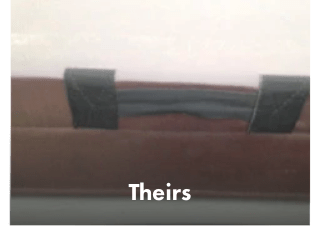
Their cheap handles are more prone to wear and tear and are known to rip off within the first two years plus the appearance speaks for itself.

Our competition uses low-quality straps that are prone to breakage and often times do not match the color of the spa cover.

Their use of single stitching and exposed shells can ultimately cause cracking and heat loss, costing you more on your electric bill.
Why Choose MySpaCover?
We don’t just claim to have the best quality, we prove it through superior materials and craftsmanship. Every cover we produce is "Made in the USA" and built to exceed industry standards, ensuring your investment is protected for years to come.
We’ve found a few great alternatives to your selected spa cover that can reach you even quicker!
Here are the closest available alternatives based on your preferences.