Heavy Rain Destroying Your Hot Tub Cover? How to Stop Waterlogging & Heat Loss
Heavy rain and severe storms can completely change how you care for your backyard spa. While it is nice to stay warm and dry inside your house during a downpour, your hot tub is sitting outside taking a beating from the weather.
Most people do not think about their outdoor spa while it is raining. But when the storm finally passes and they go outside for a relaxing soak, they are often met with a frustrating surprise. The cover is sagging in the middle, a huge puddle of dirty water is sitting on top, and the cover has become so heavy that it takes two people just to lift it.
If you are dealing with this right now, you are not alone. Heavy rain puts standard hot tub covers to the ultimate test. Let’s break down the most common problems spa owners face during heavy rain, why these issues happen, and how you can fix them before they lead to expensive damage and sky high electricity bills.
1. The Starting Problem: Water Pooling and Sagging
The biggest problem during the rainy season starts with a simple puddle. Heavy, continuous rain falls much faster than it can run off the sides of your spa. Because of this, deep puddles of water begin to collect directly on top of the cover.
You might think a little rainwater is harmless, but water is incredibly heavy. Just one single gallon of water weighs over eight pounds. During a heavy storm, it is very easy for ten to twenty gallons of water to pool in the center of your spa cover. That means there is over 150 pounds of dead weight pushing down on the center of your tub!
Technical Insight: The Physics of Sagging
Standard covers often come with a flat or minimal taper (like 3-inch to 2-inch). When 150+ pounds of water sits on a weak taper, gravity forces the foam to compress and bow downward. Once this "bowl" shape forms, it breaks the surface tension required for water to run off, guaranteeing that every future storm will create an even larger, heavier puddle.
This extreme, constant weight causes three major problems:
-
Stretching the Vinyl: The heavy puddle stretches the marine-grade vinyl on the top of the cover.
-
Bowing the Foam Core: Inside your cover are large, thick pieces of foam designed to keep heat inside. The weight of pooling rainwater bends this foam, eventually snapping the metal support channels hidden inside.
-
Breaking the Seams: As the cover bows down in the middle, the stitching around the hinges, handles, and zippers is pulled so tight that it starts to rip.
2. The Silent Killer: Heavy Waterlogging
Water pooling leads directly to the most frustrating pain point: a waterlogged cover.
Inside every cover is a thick piece of insulating foam wrapped in a thin plastic sheet called a vapor barrier. When heavy rains stretch the vinyl and pull at the stitched seams, that protective plastic barrier gets punctured. Once that plastic barrier breaks, the foam core acts exactly like a giant sponge, absorbing pooling rainwater from above and hot steam from below.

How do you know if your cover is waterlogged?
The most obvious sign is the weight. A brand-new cover usually weighs between 30 to 50 pounds. A waterlogged cover can easily weigh 150 to 200 pounds. Once foam reaches this point, it is permanently ruined and cannot be dried out.
WARNING: The Energy Cost of a Bad Cover
A waterlogged cover can increase your electricity bill by $50 to $100 per month. If your cover is heavy, you are actively losing money every day.
Shop Custom Hot Tub Cover Replacements Now
3. The Expensive Aftermath: Heat Loss and High Energy Bills
The entire purpose of your cover is to insulate the hot water. Dry foam is an excellent insulator because it is packed full of tiny air pockets. But water is a terrible insulator in fact, it conducts heat away from your spa 25 times faster than air.
Instead of trapping the heat, wet foam pulls the heat out of your spa water and transfers it into the cold air outside. Because the heat is constantly escaping, your hot tub’s heater has to turn on and run 24 hours a day.
Choosing the Right Armor: Standard vs. Heavy-Duty Covers
When replacing a ruined cover, upgrading your materials is the only way to prevent waterlogging from happening again.
|
Feature |
Standard Retail Cover |
Heavy-Duty Storm Cover |
Impact on Performance |
|
Foam Density |
1 lb |
2 lb High-Density |
Holds heavy water weight without snapping or bowing. |
|
Taper (Slope) |
3" to 2" |
5" to 3" |
Steep angle forces heavy rainwater to slide right off. |
|
Vapor Barrier |
Single Wrap (2 mil) |
Double Wrap (6 mil+) |
Prevents sharp debris and seams from piercing the plastic. |
|
Fit |
Generic/One-size |
Custom Built |
Creates a vacuum seal to block wind and trap heat. |
4. Other Storm Pain Points to Watch For
-
High Winds and Blow Offs: Gale force winds can flip the cover open or blow it completely off the tub. This can tear the vinyl, snap plastic clips, and permanently break your cover lifter mechanism.
-
Mold, Mildew, and Foul Odors: The constant moisture in the air creates the perfect environment for mold and mildew to grow on the underside of your cover.
-
Debris and Punctures: Strong winds blow heavy tree branches directly onto your spa. Even a tiny hole creates an instant pathway for rainwater to pour right into the foam core.
How to Protect Your Spa During Heavy Rain
-
Brush Off Puddles Immediately: After a rainstorm, gently push the pooling water off the top of the tub with a soft broom.
-
Lock the Straps: Always make sure all four locking clips are securely fastened.
-
Clean and Condition: Wipe down the vinyl top with a UV protectant spray and clean the underside with mild vinegar and water.
-
Remove Heavy Debris: Remove heavy branches or wet leaves by hand so they do not poke holes in the vinyl skin.
When Is It Time to Upgrade?
If your cover is already heavily bowed like a bowl, smells intensely like mildew, or is far too heavy to lift with one arm, the damage is already done. You cannot fix wet, broken foam. Trying to repair a waterlogged cover with duct tape will only cost you more money in high electricity bills.
At this stage, the smartest choice is to invest in a hot tub cover replacement. Getting a new cover will instantly lower your energy bills.
Every spa is slightly different in size and shape, which is why buying cheap, off-the-shelf options from a big-box store is a bad idea. To get the best waterproof seal and maximum energy efficiency, it is highly recommended to order custom hot tub covers built to your exact measurements. A perfect, tight fit is your absolute best defense against harsh weather.
Frequently Asked Questions (FAQ)
1.Why is my hot tub cover holding water?
Hot tub covers hold water when the internal foam core breaks or bows under the weight of heavy rain. This creates a "bowl" shape on top of the cover, allowing puddles to collect. If the internal vapor barrier is torn, the foam absorbs the water directly.
2.How much does a waterlogged hot tub cover weigh?
A waterlogged hot tub cover can weigh anywhere from 100 to over 200 pounds. A healthy, dry hot tub cover should only weigh between 30 and 50 pounds and should be easy to lift with one hand.
3.Can you dry out a waterlogged hot tub cover?
No, you cannot dry out a waterlogged hot tub cover. Once the foam core absorbs water, it breeds bacteria and mold, and permanently loses its insulating properties. The only solution is to replace the cover.
4.Does a heavy hot tub cover waste electricity?
Yes. Wet foam conducts heat away from the water 25 times faster than dry foam. This forces your hot tub heater to run constantly, which can increase your monthly electricity bill by $50 to $100.
Custom-Made for a Perfect Fit
Every spa is unique, which is why we don’t believe in "one size fits all." We specialize in custom hot tub covers designed using advanced CAD (Computer-Aided Design) technology. This ensures that every cover is built to your exact dimensions, providing a snug, airtight seal that locks in heat and keeps out debris.
If your current cover is heavy, waterlogged, or cracked, it’s time for a hot tub cover replacement. Our streamlined ordering process makes it easy to upgrade to a handmade, high-performance cover that will restore your spa’s efficiency and aesthetic appeal.

Heavy-Duty Handles
Double-stitched, marine-grade vinyl for maximum durability and a premium look.

Safety Straps
Reinforced, color-matched straps designed to withstand high winds and heavy use.

Reinforced Stitching
Double-stitched seams and hinges to ensure your cover lasts for years.
Other Guys
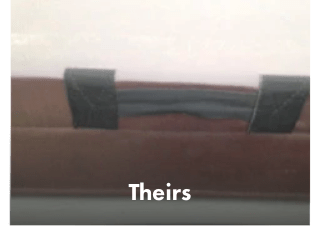
Their cheap handles are more prone to wear and tear and are known to rip off within the first two years plus the appearance speaks for itself.
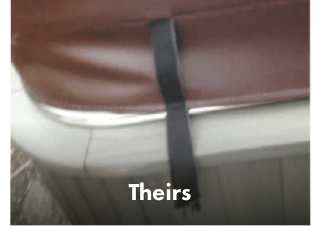
Our competition uses low-quality straps that are prone to breakage and often times do not match the color of the spa cover.

Their use of single stitching and exposed shells can ultimately cause cracking and heat loss, costing you more on your electric bill.
Why Choose MySpaCover?
We don’t just claim to have the best quality, we prove it through superior materials and craftsmanship. Every cover we produce is "Made in the USA" and built to exceed industry standards, ensuring your investment is protected for years to come.
We’ve found a few great alternatives to your selected spa cover that can reach you even quicker!
Here are the closest available alternatives based on your preferences.