Hot Tub Cover Guide 2026: How to Choose, Replace & Save $$$ on Hot Tub Bills
A hot tub cover is a critical component of any spa, responsible for reducing heat loss, lowering energy costs, maintaining water cleanliness, and ensuring safety. A properly insulated cover can prevent up to 70% of heat loss that occurs at the water’s surface, helping extend the lifespan of your hot tub while minimizing maintenance and operating expenses.
This guide explains everything you need to know about hot tub covers, including how they work, how to choose the right foam density and insulation level, what materials last longest in different climates, and when replacement is necessary. It also covers proper maintenance techniques to maximize cover performance and durability. Whether you’re buying a new cover or maintaining an existing one, this resource provides practical, expert-backed guidance for making the right decision.
What Is a Hot Tub Cover and Why Does It Matter?
A hot tub cover is a fitted insulating lid (usually a foam core with a vinyl exterior) that seals your spa when it’s not in use. It matters because a quality cover traps heat and moisture, keeps out dirt and debris, and adds a safety barrier helping you save on energy and maintenance costs while extending the life of your spa.
-
Retains Heat & Cuts Energy Costs: A covered spa loses far less heat, so the heater runs less. This can greatly lower your electricity bills. In fact, a hot tub cover insulates against heat loss, helping water heat up faster and reducing energy use.
-
Keeps Water Clean & Chemical Balanced: Covers block leaves, dust, insects and sunlight from contaminating the water. By keeping debris out, your water stays cleaner longer and you’ll spend less time skimming and refilling. Covers also prevent sanitizers (like chlorine) from evaporating too quickly, which means steadier water chemistry.
-
Enhances Safety: A sturdy, lockable cover prevents accidental access by children, pets or wildlife. These covers are heavy enough to support weight, so even if someone steps on it, they won’t fall into the water. This added layer of security is a must for homes with kids or small animals.
-
Protects Your Spa & Extends Life: Beyond keeping the tub clean, a cover shields the shell and components from sun, rain and cold. By blocking UV rays and harsh weather, it reduces wear on jets and surfaces. This protection cuts repair needs and prolongs your spa’s lifespan.
In short, a hot tub cover is not just a lid it’s an essential tool that makes your spa safer, cleaner and more efficient to run
Types of Hot Tub Covers Available
Standard Hard Covers
A standard hard cover has a thick foam core wrapped in durable vinyl; it folds at the center hinge to trap heat and resist weather. Best for year-round outdoor use.
Soft Vinyl Covers
Soft vinyl covers use a flexible vinyl shell with an air bladder to shed water. They’re lightweight and affordable but offer almost no insulation. Best for indoor tubs or mild climates.
Safety & Walk-On Covers
Safety and walk-on covers are extra-sturdy spa covers with secure locks and thick cores built to support weight. Best for families with children, pets, or snowy climates.
Sub Post: Hard vs Soft Hot Tub Covers: Pros and Cons
Rolling (Roll-Up) Covers
Rolling covers use insulated slats or panels that roll onto a deck or stand for easy one-person opening. Best for ease of use and preserving your view.
Automated (Motorized) Covers
Automated covers open at the turn of a key or button in about 20 seconds, lifting straight up for a tight, weatherproof seal. Best for convenience, frequent use, and users with mobility needs.
Aluminum & Specialty Covers
Aluminum covers have sealed foam cores sandwiched between lightweight metal panels, making them extremely durable and weather resistant. Best for heavy snow loads, harsh climates, or in-ground spas.
Sources: Reliable hot tub cover guides and manufacturer information
Choosing the Right Hot Tub Cover : What Most Owners Get Wrong
A perfect fit is non-negotiable. An ill-fitting cover loses heat and lets debris in. Always measure your spa precisely:
-
Measure the shell, not the old cover. Measure the length and width at the widest points of the tub’s outer edges. Don’t include any flared lips or handrails.
-
Account for corners If corners are rounded, measure the corner radius (from the point where the curve starts to its midpoint). For square corners, just note 90°. If your tub has an odd shape (octagonal, D-shaped, cut-outs for controls), sketch it and note all dimensions.
-
Check the skirt/drop Measure from the tub’s acrylic edge down to where the cover will rest. Some tubs have stepped or inset edges measure where the cover actually sits.
Getting these numbers right means the cover seals tightly against the rim and won’t fall in. for more details check out Hot Tub Cover Measuring Guide
1.5 lb vs 2.0 lb Foam - Which One Do You Need?
The foam core gives the cover insulation and strength. Foam is rated by density (weight per cubic foot) and thickness (inches). Generally:
-
1.5 lb vs. 2.0 lb Foam A 1.5 lb foam core offers good insulation for most climates, while a denser 2.0 lb foam provides higher R-values and better strength, making it ideal for cold or snowy areas where covers need to support more weight. Understanding R-Value: How Insulation Keeps Your Hot Tub Warm
-
Thickness and Taper Hot tub covers are thicker in the center and thinner at the edges to shed water and snow. A 5″- 3″ taper suits most climates, while colder regions benefit from thicker 6″- 4″ designs for extra insulation and load support.
-
Vapor Barrier Steam Seal A vapor barrier is a sealed plastic layer inside the cover that prevents steam from soaking the foam. A fully wrapped and sealed barrier is essential to maintain insulation and extend the cover’s lifespan.
If you live where winters are harsh, opt for a thicker, higher-density cover. For warmer areas, a standard thick cover (4–5″ with 1.5 lb foam) usually works fine. For more on this, see our Foam Density Showdown: 1.5 vs 2 lbs Which Spa Cover Foam Is Right for You?
Why Your Cover's Material Matters More Than Price
The outer material determines how long your cover lasts, not just how much you spend upfront. Here's what actually matters:
Marine-Grade Vinyl Is Non-Negotiable
Regular vinyl cracks and fades within 2-3 years. Marine-grade vinyl is built for sun, rain, chemicals, and temperature extremes.
Thickness = Durability
-
18-20 oz vinyl: Cheap but fails quickly
-
24 oz vinyl: Good baseline for most climates
-
30-32 oz vinyl: Premium option that lasts 7+ years
Look for UV and Mildew Protection
Without UV inhibitors, your cover will fade and crack. Mildew-resistant treatments prevent black spots and odors that ruin covers prematurely.
Check the Seams
Double-stitched or heat-sealed seams keep water out of the foam core. Weak stitching means water damage within a year.
Alternative: WeatherShield Fabric
Newer fabric covers are lighter, never fade, and resist moisture better than vinyl—but cost 20-30% more.
Bottom Line: A $300 cover with 24 oz marine vinyl and reinforced seams will outlast a $200 budget cover by years, saving you money long-term.
Matching Your Cover to Your Local Weather
-
Cold and snowy areas need thick, high-density covers that can handle weight and prevent heat loss. A 6″–4″ taper with strong foam works best, and checking the snow-load rating is important in harsh winters.
-
Hot and sunny climates should focus on UV-resistant materials. Light-colored, UV-protected vinyl or fabric helps prevent cracking and overheating. Moderate insulation is usually enough.
-
Rainy or humid regions benefit from a properly tapered cover that allows water to run off easily. Good hinge seals help reduce steam loss and moisture buildup.
-
Coastal locations require corrosion-resistant hardware, as salt air can damage metal parts. Regular vinyl care also helps extend cover life.
-
Windy areas need secure tie-down straps to keep the cover in place and prevent damage.
-
Safety features like locking straps are essential to keep children and pets safe and also help anchor the cover during strong winds.
-
Ease of use matters. Since covers can be heavy, reinforced handles or a cover lifter make opening and closing the hot tub much easier.
What Should You Actually Spend on a Hot Tub Cover?
Hot tub covers range widely in price and quality. Consider how long you’ll keep your spa and what you can afford:
-
Entry-level $300–$400 : Often 4″–2″ taper with 1.0 lb foam and ~18–20 oz vinyl. These basic covers work but typically last 3–5 years before needing replacement. They suit mild climates or small hot tubs.
-
Mid-range $400–$550 : Usually 5″–3″ taper, 1.5 lb foam, 24 oz vinyl. Better stitching and double seals. These last 5–7 years with normal use and are the sweet spot for most owners.
-
Premium $600 : Often 6″–4″ taper, 2.0 lb foam, 30–32 oz vinyl, extra reinforcements. Longer warranties (5–7 years), sometimes pro-rated up to 10. If you plan to keep your tub for a decade, a premium cover’s long life can actually save money overall.
Don’t just buy the cheapest cover. Think of it as an investment that saves energy and protects your spa.
Maintaining Your Hot Tub Cover
Regular care extends your cover's life and prevents odors/mildew. Clean monthly (more often in dusty areas).
Why Clean Regularly
Monthly cleaning removes dirt, chemicals, and prevents mildew. Neglect causes odors and faster wear.
How to Clean Your Hot Tub Cover (Step-by-Step Guide)
Exterior Cleaning
-
Mix mild soap (or vinyl-specific cleaner) with water.
-
Use a soft sponge/cloth to gently scrub.
-
Rinse well with fresh water.
-
Focus on seams/stitching.
Avoid: Bleach, petroleum products, abrasives.
Underside Cleaning
-
Wipe monthly with a damp cloth and mild cleaner.
-
Remove chemical buildup and moisture.
-
Dry before replacing.
This stops musty smells and mildew.
Apply Protectant
After cleaning:
-
Use a vinyl protectant with UV inhibitors (outdoor-safe, no petroleum/silicone).
-
Apply every 2–3 months (more in strong sun).
-
Keeps vinyl flexible and protected.
Sub-Post: Best Hot Tub Cover Protectants and Conditioners
How to Stop Water from Soaking into Your Hot Tub Cover
Water-soaked foam is the #1 reason hot tub covers break down early but you can stop it.
How Covers Get Water-Damaged
Hot tub steam creates water drops under your cover. If the protective plastic layer (vapor barrier) has even a small hole, water soaks into the foam. This adds 50+ pounds of weight and ruins the insulation.
3 Easy Ways to Prevent Water Damage:
-
Lift, don't drag - Always pick up your cover. Dragging it creates tears that let water in.
-
Let steam out after use - Leave the cover slightly open for 15-20 minutes after you're done soaking. This lets steam escape.
-
Check for damage monthly - Look for small rips, holes, or loose edges. Fix them right away before water gets inside.
Signs Your Cover Already Has Water Damage:
-
Feels very heavy
-
Sinks down in the middle
-
Now needs two people to lift it
Once a cover is waterlogged, you can't fix it you have to replace it. But taking care of it the right way helps it last 7-10 years instead of just 3-5 years.
Need more help? Hot Tub Cover Waterlogged? Signs and Solutions
How to Care for Your Hot Tub Cover in Winter and Summer
Your cover needs different care depending on the season.
Winter Care (Snow & Ice)
-
Remove snow regularly - Don't let more than 6 inches pile up. Too much weight can break your cover.
-
Use a soft brush - Never use metal shovels. They scratch and tear the vinyl.
-
Don't break ice - Let it melt naturally. Chipping ice can rip the cover.
Full winter guide: Winter Hot Tub Cover Care: Preventing Snow and Ice Damage
Summer Care (Sun & Heat)
-
Protect from UV rays - Apply UV protectant spray every 3-4 months to prevent fading and cracks.
-
Add shade if possible - Direct sun all day makes vinyl break down faster.
-
Don't let it overheat - Very hot covers age quicker.
Spring & Fall Checkups Do a full inspection twice a year:
-
Check straps, locks, and handles for wear
-
Look at seams for any splits or loose stitching
-
Lift the cover - if it feels heavier than normal, water is getting inside
Catching small problems early keeps your cover lasting 7-10 years instead of just 3-5.
Learn more: How Long Do Hot Tub Covers Last? Lifespan Expectations
When to Repair vs Replace Your Hot Tub Cover
Hot tub covers last 5-7 years on average. Spot damage early to avoid big problems like heat loss, higher bills, or safety risks. Minor issues can often be fixed, but major damage usually means it's time for a full replacement.
Spot Cover Damage Early: Key Warning Signs
Watch for these common signs that your cover is wearing out:
-
Cracks or tears in the vinyl - Especially along folds or seams. Small cracks let water in and grow fast.
-
Sagging or sunken middle - The cover loses its shape and looks "dished." This means the foam is compressed or waterlogged.
-
Heavy or squishy feel - A big weight gain shows the foam has soaked up water and lost insulation power.
-
Mold, mildew, or musty smell - Even after cleaning, this points to deep moisture inside the foam.
-
Broken hardware -Torn straps, failed locks, or broken hinges make the cover unsafe or hard to use.
Catching these early helps you decide: repair now or plan a replacement before the cover fails completely.
Common Hot Tub Cover Problems and Quick Fixes
Many issues are simple, but some mean replacement is smarter.
-
Small vinyl tears or punctures - Use a marine vinyl patch kit for a temporary fix.
-
Broken locks, handles, or straps - Replace just the hardware it's cheap and easy.
-
Waterlogged or moldy foam - No real fix; the insulation is ruined and won't dry out properly. Replace the whole cover.
-
Multiple problems at once - If several parts are failing, skip repairs and get a new cover for better value and performance.
For a full list of common problems and step-by-step fixes, check out our detailed guide: Common Hot Tub Cover Problems and How to Fix Them
Repair if the damage is small and isolated like one strap or tiny tear. Replace if you see sagging, heavy weight, deep cracks, or ongoing mold these hurt energy efficiency, safety, and your hot tub's life. A new cover pays for itself fast by saving on heating costs and protecting your spa.
Repair Versus Replacement Decisions
Minor vinyl tears can sometimes be repaired using patch kits designed for marine vinyl. These patches work best on small punctures or tears away from seams and fold lines. However, repairs rarely restore full performance, and patched areas remain vulnerable to further damage. Consider repairs as temporary measures that buy time for planned replacement rather than permanent solutions.
Broken locks, handles, and straps represent straightforward replacements that don't require a new cover. Replacement hardware is readily available and relatively inexpensive. However, if your cover requires multiple hardware replacements simultaneously, this often indicates the entire cover is near the end of its useful life, and investing in new hardware may not make economic sense.
Waterlogged foam cannot be repaired. Once moisture penetrates the foam core, it will not dry out effectively. The saturated foam loses virtually all insulating value while adding significant weight that stresses the cover's structure. If your cover has become noticeably heavy or feels squishy rather than firm, replacement is your only option.
When to Replace Your Hot Tub Cover
A good hot tub cover usually lasts 5 to 7 years with regular care. In harsh weather or heavy use, it may wear out sooner (some last only 3–5 years). If your cover is getting old and shows wear, replace it before it fails completely.
Key Signs It's Time for a New Cover
Replace your cover right away if you notice these problems:
-
Higher energy bills - If your heating costs go up even though you use the hot tub the same way, the cover is losing heat. A bad cover wastes energy fast, and a new one can quickly pay for itself by lowering bills.
-
Safety issues - If the cover can't lock properly, has weak spots that might break under weight, or has broken locks/straps, it's unsafe. This is a big risk for kids, pets, or anyone near the hot tub. Safety comes first, replace it immediately.
-
Other common warning signs (from earlier sections) : Waterlogged (heavy and squishy), sagging middle, cracks/tears in vinyl, moldy smell, or multiple broken parts. These mean the cover no longer insulates well or protects your spa.
Don't wait for total failure. A worn cover raises energy costs, lets dirt in, and creates safety risks. Replacing it early saves money, keeps your hot tub efficient, and protects your investment. If your cover is 5+ years old and showing any signs, it's smart to get a new one soon.
Custom-Made for a Perfect Fit
Every spa is unique, which is why we don’t believe in "one size fits all." We specialize in custom hot tub covers designed using advanced CAD (Computer-Aided Design) technology. This ensures that every cover is built to your exact dimensions, providing a snug, airtight seal that locks in heat and keeps out debris.
If your current cover is heavy, waterlogged, or cracked, it’s time for a hot tub cover replacement. Our streamlined ordering process makes it easy to upgrade to a handmade, high-performance cover that will restore your spa’s efficiency and aesthetic appeal.

Heavy-Duty Handles
Double-stitched, marine-grade vinyl for maximum durability and a premium look.

Safety Straps
Reinforced, color-matched straps designed to withstand high winds and heavy use.

Reinforced Stitching
Double-stitched seams and hinges to ensure your cover lasts for years.
Other Guys
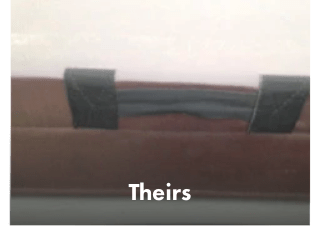
Their cheap handles are more prone to wear and tear and are known to rip off within the first two years plus the appearance speaks for itself.
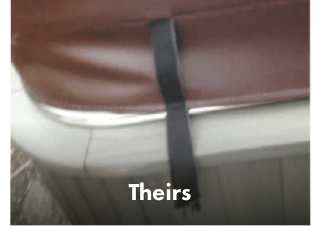
Our competition uses low-quality straps that are prone to breakage and often times do not match the color of the spa cover.

Their use of single stitching and exposed shells can ultimately cause cracking and heat loss, costing you more on your electric bill.
Why Choose MySpaCover?
We don’t just claim to have the best quality, we prove it through superior materials and craftsmanship. Every cover we produce is "Made in the USA" and built to exceed industry standards, ensuring your investment is protected for years to come.
We’ve found a few great alternatives to your selected spa cover that can reach you even quicker!
Here are the closest available alternatives based on your preferences.