How Much Does a Hot Tub Cover Cost? Complete 2026 Pricing Guide
Hot tub covers typically range from $300 to $800+, with the average quality cover costing between $450-$600. The final price depends on size, material quality, insulation density, and additional features.
Based on current market analysis and industry standards for hot tub cover manufacturing.
Quick Price Overview
|
Cover Type |
Price Range |
Best For |
|
Budget Standard |
$300-$450 |
Temporary solutions, mild climates |
|
Mid-Range Quality |
$450-$600 |
Most homeowners, balanced value |
|
Premium Grade |
$600-$800+ |
Harsh climates, long-term investment |
|
Custom Specialty |
$800-$1,200+ |
Unique shapes, commercial use |
What Determines Hot Tub Cover Pricing?
1. Size and Shape Variations
The physical dimensions of your hot tub directly impact material requirements and manufacturing complexity:
-
Standard rectangular covers (7' x 7'): $300-$500
-
Square covers (6' x 6' to 8' x 8'): $350-$550
-
Round or octagonal covers: $400-$600
-
Custom or oversized shapes: $500-$800+
-
Specialty designs (kidney, triangular): $600-$900+
Larger covers require more material and structural support, increasing costs proportionally.
2. Vinyl Material Quality (Major Price Factor)
The outer vinyl covering represents one of the most significant cost variables:
Standard Marine-Grade Vinyl
-
Denier rating: 24-30 oz
-
Expected lifespan: 3-5 years
-
Cost impact: Base pricing
-
Best for: Covered or indoor installations
Premium 6000D Weathersfield Vinyl
-
Denier rating: 32-40 oz
-
Expected lifespan: 7-10 years
-
Cost impact: Adds $100-$200
-
Best for: Outdoor, all-weather exposure
-
Benefits: Superior UV resistance, enhanced water repellency, reduced cracking and fading
Ultra-Premium Marine-Grade Vinyl
-
Denier rating: 40+ oz
-
Expected lifespan: 10+ years
-
Cost impact: Adds $150-$250
-
Best for: Extreme climates, commercial applications
Note: Denier (D) measures fabric density and thickness. Higher numbers indicate more durable, weather-resistant material.
3. Foam Insulation Specifications
Foam core quality affects both thermal efficiency and structural integrity:
Density Grades:
-
1.0 lb density foam: Budget option, adequate insulation, $0 additional cost
-
1.5 lb density foam: Standard quality, better heat retention, adds $50-$100
-
2.0 lb density foam: Premium grade, maximum insulation and durability, adds $100-$200
Foam Thickness:
-
Standard taper: 4" center / 2" edges (included in most covers)
-
Upgraded taper: 5" center / 3" edges (adds $75-$125)
-
Maximum insulation: 6" center / 4" edges (adds $150-$200)
Higher-density foam resists water absorption, maintains R-value longer, and prevents sagging over time.
4. Construction Quality Features
Reinforcement Elements:
-
Heavy-duty stitching and reinforced hems: +$50-$100
-
Aluminum channel inserts for rigidity: +$40-$80
-
Corner reinforcement patches: +$30-$50
-
Metal tie-down clips vs. plastic: +$25-$45
Sealing Technology:
-
Standard sewn seams: Base pricing
-
Heat-sealed seams (waterproof): +$75-$125
-
Full vapor barrier protection: +$40-$80
-
Moisture-resistant zipper systems: +$35-$60
Hardware Upgrades:
-
Standard webbing handles: Included
-
Reinforced handles with grommets: +$30-$60
-
Locking tie-down straps: +$25-$50
-
Cover lifter compatibility features: +$20-$40
5. Color and Aesthetic Options
Most manufacturers offer multiple colors at similar base prices:
-
Standard colors (gray, brown, tan): No additional cost
-
Premium colors (navy, burgundy, green): +$25-$50
-
Custom color matching: +$50-$100
-
Two-tone or accent designs: +$75-$150
Darker colors typically show less wear but may absorb more heat in direct sunlight.
Cost Breakdown by Quality Tier
Budget Tier ($300-$450)
What You Get:
-
Basic marine-grade vinyl (24-26 oz)
-
1.0 lb density foam core
-
Standard taper design (4"/2")
-
Basic stitching and construction
-
Limited warranty (1-2 years)
Expected Lifespan: 3-5 years
Best For: Temporary solutions, protected locations, mild climates, rental properties
Long-term Cost: Higher due to frequent replacement needs
Mid-Range Tier ($450-$600)
What You Get:
-
Quality marine-grade vinyl (28-32 oz)
-
1.5 lb density foam core
-
Standard to enhanced taper
-
Reinforced stitching and corners
-
Vapor barrier protection
-
Moderate warranty (3-5 years)
Expected Lifespan: 5-7 years
Best For: Most homeowners, balanced value, moderate climate exposure
Long-term Cost: Best overall value proposition
Premium Tier ($600-$800+)
What You Get:
-
6000D Weathersfield or ultra-premium vinyl (32-40+ oz)
-
2.0 lb density foam core
-
Enhanced taper with maximum insulation
-
Heat-sealed seams
-
Reinforced hardware and handles
-
Full vapor barrier system
-
Extended warranty (5-7+ years)
Expected Lifespan: 7-10+ years
Best For: Harsh climates, long-term investment, energy efficiency priority, high-end installations
Long-term Cost: Lowest cost per year of use
Custom/Specialty Tier ($800-$1,200+)
What You Get:
-
Everything from premium tier
-
Custom sizing and shapes
-
Specialized features (windows, integrated steps)
-
Commercial-grade materials
-
Extended warranties (7-10 years)
Expected Lifespan: 10+ years
Best For: Unique installations, commercial use, maximum durability requirements
Understanding Material Quality: Why 6000D Weathersfield Matters
Premium materials like 6000D Weathersfield vinyl offer distinct advantages that justify higher upfront costs:
Performance Benefits:
-
UV Resistance: 40-60% better fade resistance compared to standard vinyl
-
Water Repellency: Enhanced coating prevents moisture penetration and mildew
-
Temperature Tolerance: Maintains flexibility in extreme cold, resists cracking in heat
-
Abrasion Resistance: Better withstands snow removal, debris, and handling wear
Financial Benefits:
-
Extended Lifespan: 7-10 years vs. 3-5 years for standard materials
-
Energy Savings: Better insulation retention reduces heating costs by 15-25%
-
Lower Replacement Frequency: Fewer purchases over hot tub lifetime
-
Higher Resale Value: Quality covers enhance property appeal
Cost Analysis Example:
-
Budget cover: $400 every 4 years = $100/year + higher energy costs
-
Premium 6000D cover: $700 every 8 years = $87.50/year + lower energy costs
The premium option costs less annually while providing superior performance.
Additional Cost Factors to Consider
Installation and Delivery
-
Standard shipping: $50-$100
-
White glove delivery and installation: $100-$200
-
Rush manufacturing (expedited): +$75-$150
Warranty Options
-
Standard manufacturer warranty: Included
-
Extended warranty (additional years): $50-$150
-
Comprehensive coverage (full replacement): $100-$250
Accessories
-
Cover lifter systems: $150-$400
-
Protective cover caps: $30-$75
-
Cleaning and conditioning products: $25-$50
-
Locking straps for security: $20-$40
Maintenance Costs (Annual)
-
UV protectant treatment: $20-$40
-
Vinyl cleaner and conditioner: $15-$30
-
Replacement straps/handles: $15-$50 (as needed)
Geographic Price Variations
Hot tub cover prices can vary by region due to:
-
Shipping distance: Remote areas may pay $50-$150 more
-
Climate considerations: Harsh weather zones often require premium materials
-
Local competition: Urban areas typically have more competitive pricing
-
Sales tax: Varies by state (0-10%+ of purchase price)
-
Seasonal demand: Prices may increase 10-20% during spring/summer peak
When to Choose Premium vs. Budget
Choose Premium Covers When:
-
You live in areas with extreme weather (heavy snow, intense sun, severe storms)
-
Your hot tub is exposed to full sun/elements year-round
-
Energy efficiency is a priority (reduces heating costs significantly)
-
You plan to keep your hot tub for 10+ years
-
You want to minimize replacement frequency and hassle
-
The hot tub is part of a high-end outdoor living space
Budget Covers May Be Suitable When:
-
The hot tub is in a protected, covered area
-
You're in a mild climate with minimal weather extremes
-
It's a temporary solution or seasonal use only
-
You're planning to upgrade or replace the hot tub soon
-
Initial cost is the primary concern and you accept shorter lifespan
Cost Savings and Energy Efficiency
A quality hot tub cover is an investment that pays dividends through energy savings:
Heating Cost Impact:
-
Poor-quality cover: Heat loss of 40-60% = $50-$100+ monthly heating costs
-
Mid-range cover: Heat loss of 20-30% = $30-$50 monthly heating costs
-
Premium cover with 2.0 lb foam: Heat loss of 10-15% = $20-$30 monthly heating costs
Annual Savings with Premium Cover:
-
Energy savings: $300-$600 per year
-
Reduced chemical use (less evaporation): $50-$100 per year
-
Less frequent water changes: $30-$75 per year
A $700 premium cover can pay for itself in energy savings within 12-24 months compared to a budget alternative.
How to Get the Best Value
Smart Shopping Strategies:
-
Compare material specifications, not just prices (denier rating, foam density)
-
Factor in warranty coverage - longer warranties indicate manufacturer confidence
-
Calculate cost per year of expected use, not just upfront price
-
Consider energy savings as part of total cost of ownership
-
Buy during off-season (fall/winter) for potential 10-20% discounts
-
Bundle with hot tub purchase for package discounts
Questions to Ask Suppliers:
-
What is the exact vinyl denier rating and material composition?
-
What foam density is used, and what is the taper specification?
-
Are seams heat-sealed or sewn?
-
What does the warranty cover, and for how long?
-
Is there a vapor barrier included?
-
What is the expected lifespan in my climate?
-
Are replacement parts available if needed?
Red Flags: When a Price Seems Too Good
Be cautious of covers priced significantly below market rates. Warning signs include:
-
Vague material specifications (no denier rating, foam density unstated)
-
Very short or no warranty coverage
-
Poor online reviews mentioning rapid deterioration
-
Generic "marine-grade" claims without specifics
-
No vapor barrier or reinforcement features
-
Extremely thin foam (less than 4" center taper)
A $200 cover that lasts 18 months costs more long-term than a $600 cover lasting 8 years.
Final Pricing Recommendations
Best Overall Value: $500-$650 range
-
Quality marine-grade or 6000D Weathersfield vinyl
-
1.5-2.0 lb density foam
-
Reinforced construction with vapor barrier
-
5+ year warranty
-
Optimal balance of cost, performance, and longevity
Budget-Conscious Choice: $400-$500 range
-
Decent marine-grade vinyl (28-30 oz)
-
1.5 lb foam density
-
Basic reinforcement
-
3-4 year warranty
-
Acceptable for moderate climates
Premium Investment: $650-$800 range
-
6000D Weathersfield or ultra-premium vinyl
-
2.0 lb density foam with enhanced taper
-
Heat-sealed seams and full reinforcement
-
7+ year warranty
-
Best for harsh climates and long-term value
Summary: Making the Right Investment
Hot tub cover pricing reflects quality, materials, and longevity. While budget options exist, mid-range to premium covers offer superior value when considering:
-
Extended lifespan (5-10+ years vs. 3-5 years)
-
Significant energy savings ($300-$600 annually)
-
Better weather protection and durability
-
Reduced replacement frequency and hassle
-
Enhanced hot tub protection and water quality
Premium materials like 6000D Weathersfield vinyl represent a smart investment that costs less over time while providing superior performance in all weather conditions.
Bottom Line: Expect to invest $450-$650 for a quality cover that will serve you well for 5-8 years, or $600-$800 for a premium cover that exceeds expectations for 8-10+ years. The additional upfront cost of quality materials pays for itself through longevity and energy efficiency.
This guide reflects current market pricing and industry standards as of 2026. Actual prices may vary based on supplier, location, and specific customization requirements.
Custom-Made for a Perfect Fit
Every spa is unique, which is why we don’t believe in "one size fits all." We specialize in custom hot tub covers designed using advanced CAD (Computer-Aided Design) technology. This ensures that every cover is built to your exact dimensions, providing a snug, airtight seal that locks in heat and keeps out debris.
If your current cover is heavy, waterlogged, or cracked, it’s time for a hot tub cover replacement. Our streamlined ordering process makes it easy to upgrade to a handmade, high-performance cover that will restore your spa’s efficiency and aesthetic appeal.

Heavy-Duty Handles
Double-stitched, marine-grade vinyl for maximum durability and a premium look.

Safety Straps
Reinforced, color-matched straps designed to withstand high winds and heavy use.

Reinforced Stitching
Double-stitched seams and hinges to ensure your cover lasts for years.
Other Guys
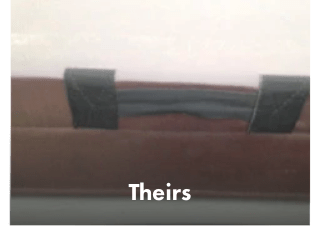
Their cheap handles are more prone to wear and tear and are known to rip off within the first two years plus the appearance speaks for itself.
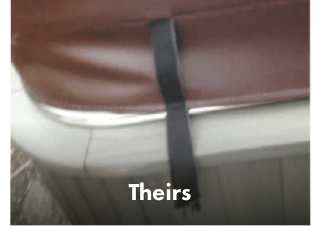
Our competition uses low-quality straps that are prone to breakage and often times do not match the color of the spa cover.

Their use of single stitching and exposed shells can ultimately cause cracking and heat loss, costing you more on your electric bill.
Why Choose MySpaCover?
We don’t just claim to have the best quality, we prove it through superior materials and craftsmanship. Every cover we produce is "Made in the USA" and built to exceed industry standards, ensuring your investment is protected for years to come.
We’ve found a few great alternatives to your selected spa cover that can reach you even quicker!
Here are the closest available alternatives based on your preferences.