How to Protect Your Hot Tub Cover from Bugs and Rodents This Summer
The warm days of summer create the perfect setting for relaxing in a backyard spa. However, humans are not the only ones who appreciate a warm, peaceful environment. When the summer heat arrives, nature becomes highly active. Insects, bugs, and small animals begin an endless search for food, water, and safe shelter. Unfortunately, a hot tub offers all three of these survival needs in one convenient location.
Finding bugs swimming in the water, or discovering that mice have chewed through the expensive foam insulation, can quickly ruin a relaxing evening. To permanently stop this from happening, it is necessary to understand exactly how pests get inside the hot tub cover in the first place. This report explores the simple reasons behind pest invasions and provides easy, highly effective solutions to keep them away.
How This Happens: The Attraction of the Hot Tub
To keep pests away, one must first understand what draws them to the area. Pests are constantly scanning their environment for basic necessities, and the unique design of a hot tub makes it an irresistible target.
The Search for Water and Shade
During the peak of the summer months, natural water sources like small puddles and shallow ponds dry up entirely. Insects, especially flying bugs like bees and wasps, desperately need water to survive and to cool down their nests. A hot tub acts as a giant, reliable water bowl. Even if the spa is covered, condensation forms along the edges, and rainwater can rest in puddles on top of a sagging cover, providing an easy drink for thirsty insects. Furthermore, bees are highly intelligent and will return daily once they memorize where a water source is located.
Cover Damage as the Main Gateway

A hot tub cover is designed to seal the water and block the outside world, but summer weather actively breaks it down. The sun beats down from above, baking the vinyl skin with harsh ultraviolet rays, making it dry and brittle. At the same time, the hot, chemical-filled water below produces fumes that slowly eat away at the bottom lining of the cover.
This combination of sun damage and chemical fumes causes the vinyl to crack and the stitching to tear. Once a crack forms, the protective barrier is gone. Pests suddenly have an open door to the thick foam core inside the cover.
The Foam Core as a Perfect Nest
Once insects and animals find a way inside the cover, the thick foam insulation becomes an ideal home. The space between the hot water and the vinyl cover traps heat, creating a warm, dark, and highly protected environment. Carpenter ants are naturally drawn to damp foam and wet wood, using it to dig elaborate nesting tunnels. Mice are equally attracted to this space. They view the soft foam as perfect bedding material and will aggressively chew through the vinyl to build safe nests for the winter.
Food Spills and Sweet Smells
Outdoor summer parties often involve snacks, sweet drinks, and meals eaten near the water. Spilled soda, dropped chips, or sticky food wrappers left on the patio act as a giant dinner bell for pests. Ants have an incredible sense of smell and will march directly toward any sugary spill. Once they arrive for the food, they often decide to stay for the shelter, eventually moving from the patio directly into the hot tub cabinet.
Common Summer Pests and Their Impact
Different types of pests cause very different problems for spa owners. The evidence indicates that understanding the specific behaviors of these pests is the first step in stopping them. The table below outlines the most common summer invaders, what draws them in, and the specific damage they cause.
|
Type of Pest |
Primary Attraction |
Resulting Damage and Risks |
|
Carpenter Ants |
Sugary food spills, wet wood, and damp cover foam. |
They dig large tunnels through the foam core and the wooden cabinet, destroying the insulation. |
|
Wasps and Bees |
The need for drinking water to cool their hives in late summer. |
They frequently build small nests inside the folded seams of the cover and pose a high risk of stinging. |
|
Mice and Rodents |
Warmth, shelter, and soft foam for building nests. |
They chew through expensive electrical wires, plastic plumbing pipes, and foam, causing leaks and power failures. |
|
Mosquitoes |
Puddles of still, stagnant water resting on top of a sagging cover. |
They use the stagnant puddles as a breeding ground to lay eggs, creating a massive nuisance for the backyard. |
|
Slugs and Frogs |
Damp shade and the warmth of the spa water. |
Frogs contaminate the water with waste, while slugs leave sticky slime trails across the cabinet. |
Simple Solutions to Keep Pests Away
Keeping bugs and rodents away does not require complex chemicals or expensive exterminators. By following a few simple and highly effective maintenance steps, owners can ensure their water remains clean and peaceful all summer long.
1. Inspect, Clean, and Upgrade the Cover

The primary shield against the outside world is the cover itself. If the cover has rips, tears, or broken zippers, it cannot do its job. Owners should clean the vinyl regularly using a gentle soap to remove tree sap and dirt, which naturally attract bugs. After washing, applying a special water-based UV protectant spray, such as 303 Aerospace Protectant, keeps the vinyl soft and stops the summer sun from cracking it open.
However, covers eventually break down entirely. If a cover feels incredibly heavy to lift, smells deeply like mold, or sags downward in the middle, the internal foam has become totally soaked with water. A waterlogged, sagging cover creates wide gaps around the edges where insects can simply walk right inside. When a cover reaches this heavy, failing stage, repairs are impossible. This is the exact time when a hot tub cover replacement is completely necessary. A brand new cover restores the tight vacuum seal around the edges, instantly blocking pests from entering.
2. Keep the Water Chemistry Balanced
Insects, frogs, and harmful bacteria prefer natural, untreated water. If the water chemistry is ignored, the water begins to smell slightly swampy, sweet, or musty. These natural smells act as a magnet for wildlife. By keeping the water properly balanced with the correct levels of chlorine or bromine, the water becomes unappealing to animals and bugs. Clear, sanitized water lacks the odors needed to draw pests out of the garden.
3. Eliminate Food Sources
Since food is a major attraction for ants and mice, keeping the surrounding area completely clean is a powerful defense. Sweeping the deck regularly removes dropped food crumbs. Empty glasses and sticky soda cans should be thrown in a tightly sealed trash can immediately after using the spa. Furthermore, pet food bowls or bird feeders should be moved far away from the hot tub, as stray seeds and pet kibble will easily attract mice to the area.
4. Apply Natural Deterrents and Traps
Nature provides several excellent smells that humans enjoy, but bugs and mice absolutely hate. Using these natural scents creates an invisible barrier around the spa. The table below details simple, safe deterrents that keep specific pests away without using harsh chemicals.
|
Deterrent Method |
Target Pests |
How to Apply the Solution |
|
Peppermint Oil |
Mice, rats, and spiders. |
Soak small cotton balls in natural peppermint oil and place them around the base of the hot tub cabinet. |
|
Scented Plants |
Mosquitoes and flies. |
Plant strong-smelling herbs like lavender, mint, and citronella near the patio to mask the smell of the water. |
|
Diatomaceous Earth |
Ants and crawling insects. |
Sprinkle this safe, chalky white powder in a thick ring around the base of the tub. Ants cannot safely cross it. |
|
Copper Tape |
Slugs and snails. |
Stick a continuous line of copper tape along the bottom edge of the wooden cabinet to stop slugs from climbing. |
|
Hanging Traps |
Wasps, hornets, and bees. |
Hang a simple liquid wasp trap a few yards away from the spa to draw stinging insects away from the water. |
5. Seal the Bottom Cabinet
While a high-quality cover protects the top of the spa, the base of the cabinet must also be secured. Mice are incredibly flexible and can squeeze through panel holes that are smaller than a single inch. Checking the wooden or plastic side panels for cracks is a vital habit before the summer begins. Any small gaps where electrical wires or plumbing pipes enter the tub should be firmly packed with steel wool or special copper wire mesh. Mice are unable to chew through metal, making this a cheap and permanent way to block them from entering the equipment area.
The Importance of High-Quality Equipment
A cheap, poorly fitting cover will quickly warp in the summer heat, lifting at the corners and inviting insects inside. Investing in highly durable materials saves money and intense frustration in the long run. Good equipment forms a tight, heavy seal along the top edge of the tub, leaving absolutely zero room for ants to crawl under or bees to squeeze through. For anyone looking to upgrade their defenses this summer, browsing through a wide variety of quality hot tub covers can provide the exact size, foam thickness, and tight fit needed to secure the water against nature's tiny invaders.
Conclusion
Dealing with pests in the summer does not have to be a stressful or losing battle. The reasons pests approach a hot tub are surprisingly simple: they are just seeking a reliable source of water, warmth, and a tiny bit of food. By removing food crumbs from the patio, keeping the water properly sanitized, using a few natural plant-based deterrents, and making sure the hot tub cover is in excellent, crack-free condition, the environment becomes completely unwelcoming to bugs and mice. Regular, simple maintenance guarantees that the hot tub remains exactly what it was meant to be: a clean, safe, and deeply relaxing outdoor retreat.
Custom-Made for a Perfect Fit
Every spa is unique, which is why we don’t believe in "one size fits all." We specialize in custom hot tub covers designed using advanced CAD (Computer-Aided Design) technology. This ensures that every cover is built to your exact dimensions, providing a snug, airtight seal that locks in heat and keeps out debris.
If your current cover is heavy, waterlogged, or cracked, it’s time for a hot tub cover replacement. Our streamlined ordering process makes it easy to upgrade to a handmade, high-performance cover that will restore your spa’s efficiency and aesthetic appeal.

Heavy-Duty Handles
Double-stitched, marine-grade vinyl for maximum durability and a premium look.

Safety Straps
Reinforced, color-matched straps designed to withstand high winds and heavy use.

Reinforced Stitching
Double-stitched seams and hinges to ensure your cover lasts for years.
Other Guys
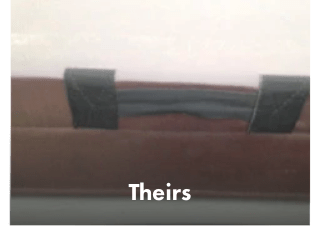
Their cheap handles are more prone to wear and tear and are known to rip off within the first two years plus the appearance speaks for itself.

Our competition uses low-quality straps that are prone to breakage and often times do not match the color of the spa cover.

Their use of single stitching and exposed shells can ultimately cause cracking and heat loss, costing you more on your electric bill.
Why Choose MySpaCover?
We don’t just claim to have the best quality, we prove it through superior materials and craftsmanship. Every cover we produce is "Made in the USA" and built to exceed industry standards, ensuring your investment is protected for years to come.
We’ve found a few great alternatives to your selected spa cover that can reach you even quicker!
Here are the closest available alternatives based on your preferences.