Should You Leave Your Hot Tub Cover On or Off in Extreme Heat?
When summer heat waves hit, hot tub owners face a classic dilemma. On one hand, you know your cover is designed to protect your spa. On the other hand, when the thermometer climbs past 90°F (32°C) or 100°F (38°C), trapping that blistering heat inside a dark, heavy lid feels like a recipe for a backyard disaster.
Should you leave your hot tub cover off in hot weather to let the water cool down? Or will leaving it off ruin your water chemistry and skyrocket your water bill?
The short answer is: Keep it on, but with a few very important, non-negotiable summer exceptions. Leaving your cover off all day long in the blistering summer sun can cause serious damage to your spa’s shell, drain your chemicals, and destroy your water quality. However, leaving it sealed tight in high heat without proper venting can ruin the cover itself.
To help you navigate the hot summer months, this complete, scenario-by-scenario guide explains exactly how to manage your hot tub cover during extreme heat.
1. The Science of Summer Heat and Your Hot Tub Cover
To understand why you need your cover in the summer, you have to look at how extreme heat affects an open body of water.
The Threat of Intense UV Rays
When you leave your hot tub uncovered on a bright summer day, the sun’s ultra-violet (UV) rays strike the acrylic shell directly. Over time, intense UV exposure can cause the vibrant color of your hot tub shell to fade, crack, or blister. Your cover acts as a physical shield, taking the brunt of the sun's damage so your expensive spa shell doesn’t have to.
The Summer Evaporation Trap
Many owners believe that taking the cover off helps cool the water down. While it does release heat, it does so through evaporation. In hot weather, an uncovered hot tub will lose water at an alarming rate. As the water evaporates, it leaves behind concentrated minerals, leading to rough scale buildup on your jets and heaters. Even worse, your expensive pool chemicals evaporate right along with the water.
The Heat Retention Reality
A premium custom hot tub cover features high-density foam insulation. Just like an insulated cooler keeps ice cold on a hot summer beach, a high-quality cover keeps extreme external heat out of your spa. It stabilizes the internal temperature so your hot tub doesn't fluctuate wildly between the scorching afternoon heat and cooler summer nights.
2. Scenario-by-Scenario Guide: When to Keep it On vs. Take it Off
Managing your hot tub in July and August is all about knowing when to seal it tight and when to let it breathe. Here is exactly what to do in every summer scenario:
Scenario A: During an Intense Heat Wave (Keep it ON)
When ambient temperatures soar above 95°F, keep the cover closed and securely locked. A sealed cover prevents the ambient air from overheating your water and blocks direct sunlight.
-
Summer Pro-Tip: If your hot tub is getting too hot from the sun beating down on the cover, look into a reflective spa cap or shade sail to shield the top of the cover.
Scenario B: Right After Adding Summer Chemicals (Take it OFF)
This is the most common way hot tub covers are ruined in the summer. High water temperatures cause sanitizers (like chlorine or bromine ) to react aggressively. When you "shock" your tub or add chemicals, they release harsh chemical gases.
-
The Rule: If you close the cover immediately after adding chemicals, these corrosive gases get trapped between the water and the underside of the lid. This quickly rots the clear vapor barrier, causing your cover to absorb moisture. Always leave the cover completely off for 20 to 30 minutes after adding chemicals.
Scenario C: When You Want to Safely Lower the Water Temperature (Take it OFF, with a catch)
If you want to use your hot tub as a refreshing "cool plunge" pool during the summer, you'll need to drop the temperature setting down to 80°F–85°F. However, lowering the thermostat won't work quickly if the cover is trapping the existing heat.
-
The Rule: Turn off your heater and remove the cover during the late evening or early morning hours when the air is cool. Let the heat escape safely for 1–2 hours while the sun is down. Once the water reaches your desired temperature, put the cover back on to lock that coolness in and block the daytime sun.
Scenario D: Weekly "Breathing" Maintenance (Take it OFF)
Even if you aren't using your spa heavily in the summer, the area between the water surface and your cover becomes a high-humidity, high-heat zone. This is the perfect breeding ground for mold, mildew, and musty smells.
-
The Rule: At least once a week, take the cover completely off for 1 hour. This lets the hot tub "breathe," vents out humidity, and gives you a chance to inspect the underside for any signs of early mold growth.
3. The Summer Cover Protection Checklist
To ensure your cover survives the harsh summer sun without warping, cracking, or becoming heavy, follow this seasonal maintenance routine:
-
Apply a UV Protectant Monthly: Sunlight dries out marine-grade vinyl, causing it to split along the seams. Spray a specialized, non-petroleum-based UV protectant on the top and sides of your cover every 3 to 4 weeks. Avoid using vinyl protectants meant for car tires, as these can damage the cover's material.
-
Clean the Underside Regular: Wipe down the bottom of the cover with a gentle mixture of water and white vinegar (a 10:1 ratio) to kill any microscopic mold spores before they can ruin the vinyl.
-
Use a Floating Thermal Blanket: Placing a lightweight, solar bubble blanket directly on the water surface underneath your main cover is incredibly effective in the summer. It stops chemical vapors from rising up and hurting your main cover, and cuts down evaporation to almost zero.
4. Signs Your Cover Has Already Taken a Beating from the Sun
Because summer conditions accelerate material wear, keep an eye out for these classic signs of damage:
-
The "Bowtie" Sag: Extreme heat combined with heavy waterlogged foam can cause the center hinge of a low-quality cover to warp or sag downward, causing rainwater to pool right in the middle.
-
The Dreaded "Heavy Lift": If your cover suddenly feels like it weighs 100 pounds, the inner vapor barrier has cracked from heat and chemical off-gassing, allowing the foam core to soak up water like a sponge.
-
Brittle, Flaking Vinyl: If the vinyl looks dull, powdery, or splits when you pull on the handles, the sun has permanently baked away its flexibility.
If your current lid is sagging, bleaching, or getting too heavy to lift safely, it's no longer protecting your spa shell or saving you money on your electric bill. Upgrading to a premium hot tub cover replacement built with marine-grade vinyl and robust UV inhibitors is the best investment you can make to protect your spa all summer long.
Don't leave your hot tub completely uncovered to brave the brutal summer elements alone. Keep it covered to shield it from UV rays, stop water evaporation, and keep dirt out. Just remember to let it breathe after shocking the water, and give it a quick break during cool summer nights if you need to drop the water temperature down for a refreshing daytime soak!
Custom-Made for a Perfect Fit
Every spa is unique, which is why we don’t believe in "one size fits all." We specialize in custom hot tub covers designed using advanced CAD (Computer-Aided Design) technology. This ensures that every cover is built to your exact dimensions, providing a snug, airtight seal that locks in heat and keeps out debris.
If your current cover is heavy, waterlogged, or cracked, it’s time for a hot tub cover replacement. Our streamlined ordering process makes it easy to upgrade to a handmade, high-performance cover that will restore your spa’s efficiency and aesthetic appeal.

Heavy-Duty Handles
Double-stitched, marine-grade vinyl for maximum durability and a premium look.

Safety Straps
Reinforced, color-matched straps designed to withstand high winds and heavy use.

Reinforced Stitching
Double-stitched seams and hinges to ensure your cover lasts for years.
Other Guys
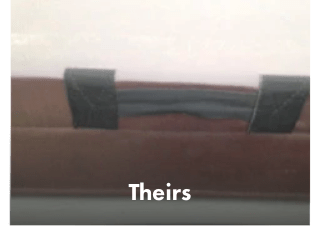
Their cheap handles are more prone to wear and tear and are known to rip off within the first two years plus the appearance speaks for itself.
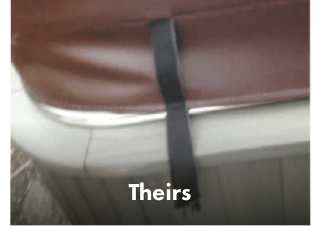
Our competition uses low-quality straps that are prone to breakage and often times do not match the color of the spa cover.

Their use of single stitching and exposed shells can ultimately cause cracking and heat loss, costing you more on your electric bill.
Why Choose MySpaCover?
We don’t just claim to have the best quality, we prove it through superior materials and craftsmanship. Every cover we produce is "Made in the USA" and built to exceed industry standards, ensuring your investment is protected for years to come.
We’ve found a few great alternatives to your selected spa cover that can reach you even quicker!
Here are the closest available alternatives based on your preferences.