Using a Hot Tub in Winter: Cold-Weather Care & Comfort Guide
Using a Hot Tub in Winter: How to Stay Warm, Protect Your Spa, and Cut Heating Costs
For many spa owners, winter is the main reason they bought a hot tub in the first place. Sitting in steaming, 104°F water while fresh snow settles on your patio is an unbeatable way to unwind at the end of a cold day.
However, using a hot tub in winter is very different from taking a casual summer dip. Freezing temperatures change how your equipment runs, how fast your water evaporates, and how you get from your back door into the water without slipping on ice. More importantly, winter puts massive thermal strain on your heater and your hot tub cover.
If you want to enjoy your spa all season without dealing with frozen pipes, icy steps, or a massive spike in your monthly electric bill, a little cold-weather preparation goes a long way. Here is our complete winter playbook for keeping your spa hot, your walkways safe, and your equipment protected until spring.
How Do You Prepare a Hot Tub for Winter Use? (The Quick Answer)
To successfully run a hot tub through freezing weather, focus on four essential steps before temperatures stay below 32°F (0°C):
-
Schedule a Late-Fall Water Change: Drain, clean, and refill your spa in late October or early November before your outdoor garden hoses freeze.
-
Check Your Thermal Seal: Inspect your insulated hot tub cover for sagging or waterlogging, and ensure the fabric skirt hangs flat around the shell to lock in heat.
-
Prep a Salt-Free Walkway: Set up heated rubber walkway mats or roll-out indoor runners instead of using sidewalk salt, which ruins spa water chemistry.
-
Monitor Water Levels & Heat Daily: Top off evaporated water every few weeks using warm indoor water, and keep a backup plan ready for winter power outages.
Getting Your Spa Ready Before the First Deep Freeze
Good winter hot tub maintenance starts while the weather is still mild. Once daytime highs drop below freezing, draining water across your yard or hooking up a garden hose becomes a major headache.
Time Your Water Change for Late Fall
Plan your quarterly drain, clean, and refill for late October or early November, and pop in a clean filter at the same time. With balanced water Chemistry and regular non-chlorine shock after each soak, that fresh fill can comfortably carry you through to March or April.
If you ever need to refresh your water during a mild winter thaw, always check that your outdoor spigot flows freely before draining the tub. Better yet, do a partial drain of just one-third of the tub and refill it with warm water from an indoor utility sink so the water temperature recovers quickly.
Plan Ahead for Rapid Winter Evaporation
One of the biggest surprises for new winter spa owners is how fast the water level drops. Cold winter air holds very little humidity. Every time you fold back your cover to get in, that bone-dry air pulls moisture right off the hot water surface in thick plumes of steam.
Dropping an inch or two of water every couple of weeks is normal evaporation, not a plumbing leak. Keep a clean five-gallon bucket in your laundry room or mudroom. When the water level dips near the top jets, fill the bucket with warm bathtub or sink water and carry it out to top off the spa.
Secure Your Equipment Bay Against Winter Pests
When the ground freezes, field mice and rodents look for warm places to nest. The insulated cabinet underneath your hot tub stays warm all winter, making it a prime target. Once inside, rodents often chew through spa wiring and flexible vinyl tubing. Before winter sets in, check the base of your spa cabinet, seal any small gaps with steel wool or mesh, and set a couple of traps inside the equipment bay if you live near woods or open fields.
Inspect Your Cover’s Fit and Insulation
Up to 70% of a hot tub's heat loss happens right through the top. In July, a worn-out cover won't hurt your electric bill much. In January, a heavy, waterlogged lid forces your heater to run around the clock often adding $80 to $100+ a month to your utility bill.
Walk around your spa and check the perimeter. The outer skirt of your cover should hang loosely and flat over the acrylic lip. If a corner of the skirt gets bunched up or folded underneath the foam core, freezing wind will knife straight into the tub, forming thick icicles along the cabinet and draining your heat. If your lid bows in the center or feels heavy to lift, replacing it with one of our high-density custom hot tub covers will immediately restore your thermal seal and save you an average of $72.50 a year on electricity.
Setting Up a Safe, Ice-Free Backyard Path
Getting into a 104°F spa is easy. Getting out of the spa when it is 10°F outside and walking across an icy deck with wet feet is where most winter mishaps happen.
Why You Should Never Use Rock Salt Near Your Hot Tub
When ice forms around the base of your spa steps, your first instinct might be to scatter rock salt or chemical de-icer on the patio. Never use sidewalk salt near a hot tub. Even if you wear sandals, salt granules stick to wet soles and get tracked straight into the spa water. Ice melt chemicals rapidly corrupt your pH and alkalinity, leave gritty sediment on the seats, and corrode metal heater elements.
Smarter Ways to Keep Your Walkway Clear
Instead of chemical de-icers, use physical barriers that give your feet warm, dry traction from the back door to the water's edge:
-
Heated Walkway Mats: Electric snow-melting rubber mats (like HeatTrak) can be daisy-chained from your door right onto your spa steps. Plug them into a GFCI outlet and turn them on 30 minutes before your soak to melt away snow and ice automatically.
-
The Roll-Out Indoor Runner: For a budget-friendly fix, keep a long indoor/outdoor carpet runner or a thick yoga mat rolled up inside by your patio door. Roll it out over the cold deck right before you head out, and roll it back up to store inside when you are finished.
-
Removable Foam Tiles: Interlocking EVA foam floor squares insulate your feet from frozen concrete. If dripping water freezes on them after a soak, you can easily unclip the squares and set them inside your mudroom to thaw.
Small Tweaks for Safer Spa Steps
Wet plastic steps and freezing metal rails get slick fast. A few quick adjustments make getting in and out much safer:
-
Wrap Metal Rails in Hockey Tape: Grabbing bare aluminum or steel handrails with wet hands in sub-zero weather is painful and slippery. Wrapping the rail in black cloth hockey tape insulates the metal and gives you a secure, high-friction grip.
-
Check Step Treads for Pooling Water: Wide plastic spa steps can sag slightly over time, causing dripping water to pool inside the traction grooves and freeze into hidden ice patches. Drilling two or three tiny 1/8-inch drain holes at the lowest point of the grooves lets water drain right through.
-
Keep Treaded Footwear by the Door: Flat foam flip-flops lose all traction on packed snow. Keep a dedicated pair of slip-on rubber clogs or textured slides right inside the door, and always walk slowly never run between the house and the tub.
Staying Comfortable While You Soak (And When You Get Out)
Once you are submerged to your shoulders, the water keeps your core warm. The real secret to winter soaking is managing the cold air above the waterline and surviving the sixty seconds after you step out.
|
Winter Challenge |
What Usually Goes Wrong |
What Experienced Owners Do Instead |
|
Cold Ears & Head |
Dunking your hair underwater to warm up, which freezes in the wind |
Keep your hair dry and wear a warm knit beanie or fleece headband |
|
Water Cooling Down |
Leaving air-injection jet valves open, pumping freezing air into the water |
Set temp to 104°F and close the air blower valves while soaking |
|
Bitter Wind Chill |
Jet mist blowing onto your face and freezing in high gusts |
Add a windbreak screen, pergola curtain, or privacy wall on the windward side |
|
Freezing Towels |
Hanging a thin towel on an open hook in 15°F weather |
Use an outdoor towel warmer bucket or pack dryer-hot robes in an insulated cooler |
|
Closing Up in the Cold |
Standing outside wet and shivering while adding shock and latching straps |
Slip inside to dry off and dress first, then step back out to shock and lock the cover |
Keep Your Hair Dry and Wear a Hat
A huge amount of body heat escapes through your head, and cold wind will quickly chill your ears. Wearing a wool beanie or knit winter hat keeps your body temperature comfortable even when the air is below zero. Resist the urge to dunk your head underwater once your hair is wet in freezing air, it turns crunchy with ice in minutes, forcing you to keep submerging your head just to stay warm.
Turn Off the Air Valves to Hold Water Temperature
In the summer, keeping your tub at 100°F or 101°F feels great. In the winter, bump your heater up to the standard 104°F maximum, as cold air pulls heat off the open water surface quickly.
If you notice your water temperature dropping by two or three degrees while you soak, check your air control valves (the small dials on top of the tub that mix air into the water jets for extra bubble pressure). When those valves are open in January, your spa sucks freezing outside air directly into the plumbing lines, acting like an air conditioner for your water. Close the air valves during deep winter soaks to keep the water hot using pure water pressure.
Keep Your Robe Hot with a Towel Warmer or Insulated Cooler
Nothing ruins a relaxing winter soak faster than stepping out into 15°F air and wrapping yourself in a stiff, freezing towel.
-
Electric Towel Warmers: A bucket-style towel warmer placed just inside your back door (or inside a sheltered patio box plugged into a GFCI outlet) will heat a thick terrycloth robe and oversized towel to perfection while you soak.
-
The Insulated Cooler Trick: Don't want to buy another appliance? Toss your bathrobe and towels into your clothes dryer for 15 minutes before heading out, then pack them tightly inside a standard hard-sided camping cooler right next to the spa steps. Because coolers are built to insulate, they trap the dryer heat just as well as they trap cold keeping your robe piping hot for over an hour in the snow.
Use the "Two-Step Exit" to Close Up the Spa
Trying to measure water chemicals, pull cover skirts flat, and fasten wind straps while standing outside wet and barefoot is miserable and it usually leads to people rushing and leaving the cover crooked.
Instead, separate your exit into two steps:
-
When you finish soaking, simply fold the cover closed to hold the heat in, slip into your warm robe and clogs, and walk straight inside the house.
-
Once you are completely dry and dressed in warm clothes and a coat, walk back outside for two minutes to add your post-soak sanitizer and properly latch the cover down.
Caring for Your Cover and Equipment Through Snow and Ice
Your hot tub cover takes a beating in the winter. Treating the materials gently will add years to its lifespan and prevent waterlogging.
Clear Snow Safely Without Ripping the Vinyl
Never use a metal shovel, a sharp plastic snow shovel, or a car ice scraper on your spa lid. Freezing temperatures make exterior materials taut, and a single slip with a sharp shovel edge will slice right through the outer shell.
Keep a soft-bristled push broom or a foam car snow rake next to your back door to sweep snow off the cover before it packs down into heavy ice. If the snow is light and powdery, a cordless leaf blower will clear both your cover and your steps in seconds without touching the fabric. To learn how much weight your lid can safely support during a blizzard, check out our guide on how much snow a hot tub cover can hold.
(Note: If your spa sits near the edge of your house, watch out for roof avalanches. Heavy sheets of melting snow and ice sliding off a pitched roof can easily snap a spa cover's foam core in half.)
Add a Floating Blanket or Cover Cap for Extra Protection
If you live in an area with brutal sub-zero winters, two simple accessories can take a lot of stress off your primary lid:
-
Floating Thermal Blanket: This thin sheet of closed-cell foam floats directly on the water underneath your hard cover. It cuts down on winter evaporation, adds an extra layer of insulation, and shields the bottom of your hard cover from rising chemical steam.
-
Protective Cover Cap: A durable polyethylene cover cap slips over your spa lid like a fitted sheet, keeping sleet, tree debris, and freezing rain from bonding directly to your cover's seams.
Still Let Your Spa "Breathe" After Shocking
When it is freezing out, it is tempting to toss non-chlorine shock into the water after a soak and immediately close the cover tightly so you don't lose a single degree of heat.
However, trapping fresh chemical gas against a closed lid is the number one cause of premature cover failure. Concentrated oxidizer fumes eat away at the bottom vinyl liner and break down the internal plastic vapor barrier, leading to a waterlogged foam core. After shocking your water, leave half of the cover folded back for 20 to 30 minutes (or shock the tub during the warmest part of the afternoon) so those corrosive vapors can vent into the open air before you seal it up.
Emergency Freeze Protection: What If the Heater Quits?
The single biggest risk of using a hot tub in winter is a tripped breaker, a failed heater element, or a winter power outage. If the water stops circulating and heating during a sub-zero cold snap, the small plumbing manifolds and pump housings inside the bottom of the cabinet will freeze and crack long before the main body of water freezes leading to thousands of dollars in repairs.
Every cold-climate spa owner should keep two inexpensive items on hand:
-
A Wireless Cabinet Thermometer: Place a remote wireless temperature sensor inside your spa's equipment compartment (or floating in the water) with the digital receiver inside your house. Glancing at the display over morning coffee tells you instantly that your heater is running properly without having to trudge through the snow to check.
-
A Small Ceramic Space Heater: If your spa breaks down in January and a repair tech can't get to your house for three days, draining the tub in sub-zero weather is tough and water trapped in the lower pipes can still freeze. Instead, open the equipment bay access panel, place a small, thermostatically controlled 1000W-1250W space heater safely inside the dry cabinet compartment away from any dripping water, and close the panel. Keeping the inside of the cabinet at 50°F to 60°F will protect your pumps and plumbing lines from freezing until the spa is repaired.
Upgrade Your Spa for Winter With MySpaCover
A comfortable, affordable winter hot tub routine starts with a cover that actually traps heat. If your current lid is bowing under light snow, leaking wisps of steam around the edges, or feels like lifting a lead weight, you are paying to heat the neighborhood air every night.
At MySpaCover, we custom-build heavy-duty replacement covers engineered specifically for North American winters:
-
Five Insulation Density Levels: Choose our thickest tapered cores with high-density Closed-Cell EPS foam and reinforced galvanized steel C-channels that stand up to heavy snow without sagging.
-
Cold-Weather Outer Shells: Pick between thick 30oz+ Marine-Grade Vinyl or lightweight, freeze-flexible HydroTex™ weatherproof fabric.
-
Precision Custom Fit: Whether you browse our spa covers by brand or take your own dimensions using our hot tub cover measuring guide, we cut every order with CAD precision for a tight thermal seal.
-
5-Year Warranty & Free Shipping: Every custom cover is backed by an industry-leading five-year warranty and ships free across the US. Need a new cover before the next cold front arrives? Browse our in-stock ready-to-ship replacement covers for fast delivery!
Frequently Asked Questions
Q1. What temperature should I keep my hot tub at in the winter?
Most spa owners keep their water between 102°F and 104°F during the winter. While 100°F is comfortable in warm weather, freezing winter air cools your upper body and pulls heat off the water surface as soon as you open the cover. Setting the thermostat to 104°F gives you a comfortable buffer against heat loss while you soak.
Q2. Does turning the hot tub temperature down when not in use save money in winter?
In most cases, no unless you are leaving town for a week or more. A well-insulated hot tub with a tight-fitting cover loses very little heat while closed, and the heater only kicks on briefly to maintain the temperature. If you drop the temperature by 10 degrees every night and force the heater to run continuously for hours to bring 400 gallons of water back up to 104°F before your next soak, you will use nearly the same amount of electricity while putting extra wear on your heater. The only exception is if your utility company charges lower off-peak electricity rates overnight.
Q3. How cold is too cold to use a hot tub outside?
As long as the wind is calm and your walkway is safe, there is almost no temperature too cold for soaking many owners comfortably use their spas at -5°F to -20°F (-20°C to -28°C). The key at extreme sub-zero temperatures is wearing a warm hat, keeping your hair dry, blocking the wind so jet mist doesn't freeze on your skin, and limiting your soak to 15–20 minutes so the transition back indoors is safe.
Q4. How do I stop icicles from forming on the side of my hot tub cover?
Icicles hanging from the bottom edge of your cover mean warm steam is escaping between the acrylic lip of the spa and the bottom of the cover, condensing, and freezing as it drips down the cabinet. First, check that the vinyl skirt isn't folded up underneath the cover and that the safety straps are pulled snug. If icicles continue to form especially right at the center fold your internal foam core has likely warped or lost its center heat seal, and it is time for a hot tub cover replacement.
Custom-Made for a Perfect Fit
If your current cover is heavy, waterlogged, or cracked, it’s time for a hot tub cover replacement. Our streamlined ordering process makes it easy to upgrade to a handmade, high-performance cover that will restore your spa’s efficiency and aesthetic appeal.

Heavy-Duty Handles
Double-stitched, marine-grade vinyl for maximum durability and a premium look.

Safety Straps
Reinforced, color-matched straps designed to withstand high winds and heavy use.

Reinforced Stitching
Double-stitched seams and hinges to ensure your cover lasts for years.
Other Guys
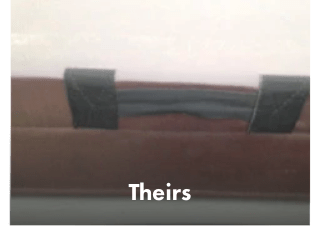
Their cheap handles are more prone to wear and tear and are known to rip off within the first two years plus the appearance speaks for itself.
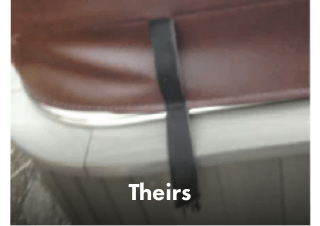
Our competition uses low-quality straps that are prone to breakage and often times do not match the color of the spa cover.

Their use of single stitching and exposed shells can ultimately cause cracking and heat loss, costing you more on your electric bill.
Why Choose MySpaCover?
We’ve found a few great alternatives to your selected spa cover that can reach you even quicker!
Here are the closest available alternatives based on your preferences.