What Taper Is Best Suited for What Climate?
Your Complete Climate-by-Climate Guide to Choosing the Right Taper Haircut
By a Certified Master Barber | Reviewed by Industry Professionals | Updated 2025
Whether you're living in a sun-scorched desert, a tropical rainforest, or a blustery northern city, your climate plays a bigger role in how your haircut performs than most people realize. A taper that looks crisp and feels comfortable in San Diego may turn into a frizzy, sweat-drenched mess in Miami — and a skin fade that thrives in Houston can leave you shivering through a Chicago winter.
This expert guide breaks down every major climate type and matches it with the taper haircut that will serve you best — factoring in humidity, temperature, wind, and your natural hair texture. By the end, you'll know exactly which taper to ask your barber for, no matter where you live or travel.
Expert Tip: The "best" taper is never one-size-fits-all. Climate is a major variable — but so is your hair texture, scalp health, and lifestyle. Use this guide as a starting framework, then work with your barber to fine-tune.
What Is a Taper? (Quick Primer for SEO & Clarity)
A taper haircut gradually reduces the length of hair from the top of the head down to the nape and sides, creating a seamless transition. Unlike a fade — which blends down to the skin — a taper can stop at various lengths and is defined by its gradual, controlled transition.
Common taper styles include:
• Low Taper — the transition starts just above the ear
• Mid Taper — the transition begins around the temples
• High Taper — the transition starts at the upper temples or crown sides
• Skin/Bald Fade — goes completely to the skin (an extreme taper variant)
• Natural/Afro Taper — tailored for coily or kinky hair textures
Why Does Climate Matter for Taper Haircuts?
Your environment creates conditions that directly affect how hair behaves. Here's what's at play:
Humidity: High moisture in the air causes hair (especially curly and coily types) to swell and frizz. A taper that removes bulk from the sides reduces this effect significantly.
Temperature: In cold weather, longer sides help retain heat. In hot weather, closely tapered sides allow more airflow and reduce scalp sweating.
Wind & Rain: Wet and windy climates can wreak havoc on styling products. A tighter taper requires less product and holds up better against the elements.
Sun Exposure: In extremely sunny climates, more scalp exposure from higher fades can increase sunburn risk, making lower tapers or protective styles more suitable.
Quick Reference: Best Taper by Climate
Use this table for a fast overview before diving into the detailed sections below:
|
Climate Type |
Recommended Taper |
Why It Works |
Hair Types |
|
Hot & Humid |
Low Fade / Low Taper |
Keeps weight close to scalp, reduces frizz |
All types, esp. curly/coily |
|
Hot & Dry |
Mid or High Taper |
Allows airflow, easy styling |
Straight to wavy hair |
|
Cold & Dry |
Low Taper / Skin Fade |
Retains heat on sides, clean look |
All hair types |
|
Cold & Wet |
Low Taper |
Longer sides protect against wind/rain |
Thick & coarse hair |
|
Temperate/Mild |
Mid Taper |
Versatile for changing conditions |
All hair types |
|
Tropical |
High Taper / Skin Fade |
Maximum ventilation and cooling |
Coily and kinky hair |
1. Hot & Humid Climates (Tropical, Coastal, Southeast U.S., South Asia)
Examples: Miami, Mumbai, Bangkok, Houston in summer, Lagos, Singapore
The Challenge
Humidity is the number-one enemy of a sharp haircut. When moisture-laden air meets your hair, it disrupts hydrogen bonds in the hair shaft, causing swelling, frizz, and loss of definition. Heavier, bulkier haircuts on the sides trap heat and compound the problem.
Best Taper for Hot & Humid: Low Taper or Mid Taper
A low to mid taper keeps the sides neatly trimmed without going too short (which could expose the scalp to excess sweating). The graduated length creates a clean line without the bulk that causes frizz.
For men with curly or coily hair, a tapered afro or a low taper with a natural top is the gold standard — it celebrates natural curl pattern while keeping the sides manageable.
Barber Tip: In humid climates, ask for a low taper with a slight skin fade at the neckline. This gives you a polished look that resists humidity without sacrificing coverage.
Products for Humid Climates
• Use anti-humidity sprays or creams
• Avoid oil-heavy pomades that cause sweat buildup
• Water-based styling products are your best friend
2. Hot & Dry Climates (Desert, Arid Regions, Southwest U.S., Middle East)
Examples: Phoenix, Dubai, Riyadh, Las Vegas, Marrakech
The Challenge
Dry heat is dehydrating — not just for your body, but for your scalp and hair. Hair becomes brittle, prone to breakage, and staticky in arid conditions. The good news is that frizz is less of a concern, giving you more styling freedom.
Best Taper for Hot & Dry: Mid or High Taper
With lower humidity, you can afford to go higher with your taper without the frizz penalty. A mid to high taper allows maximum airflow around the scalp while looking sharp. Skin fades also work well in dry climates — just be sure to protect exposed skin with SPF.
For straight to wavy hair, a classic high taper with a brushed-back or pompadour top is extremely popular in hot, dry regions — it keeps the look structured even in heat.
Barber Tip: In dry climates, moisture is key. Ask your barber to finish with a light scalp oil. Maintain your taper with a leave-in conditioner to prevent the hair shaft from drying out between cuts.
Key Considerations
• Sun protection: high fades expose more scalp — use SPF on skin
• Deep-condition weekly to combat dryness
• Avoid alcohol-based products that further dehydrate hair
3. Cold & Dry Climates (Continental, High Altitude, Northern Winters)
Examples: Denver, Minneapolis, Moscow, Calgary, Reykjavik
The Challenge
Cold, dry air strips moisture from the scalp and can cause static, dandruff, and brittle hair. Wind chill also factors in — leaving the sides too short can mean an uncomfortable and very cold experience outdoors.
Best Taper for Cold & Dry: Low Taper or Classic Taper
A low taper is your best ally in cold climates. It keeps more hair on the sides to provide insulation without looking unkempt. The gradual transition ensures a polished look even under a hat (and since hat hair is a real concern, a taper that looks good after wearing a beanie is a significant advantage).
The classic barber's taper — a timeless low-to-mid taper with a natural finish — has always been popular in cold-climate countries for exactly this reason.
Barber Tip: Ask for a low taper with the length left a bit longer on the sides than you'd normally choose. You can always go shorter in warmer months. The extra length will also reduce wind chill against your ears and temples.
Products for Cold & Dry Climates
• Use moisturizing pomades or creams with glycerin
• Anti-static sprays help manage flyaways
• Scalp serums with hyaluronic acid prevent dry scalp and dandruff
4. Cold & Wet Climates (Maritime, Pacific Northwest, Northwestern Europe)
Examples: Seattle, London, Dublin, Vancouver, Bergen, Tokyo in winter
The Challenge
Cold rain and damp air combine the worst elements of both humid and cold climates — frizz, wind, and chill. Styling products tend to wash out or lose hold quickly. The priority here is a cut that looks great even with minimal product.
Best Taper for Cold & Wet: Low Taper with Longer Top
A low taper that keeps meaningful length on the sides acts as a buffer against the elements, while the natural transition keeps things looking intentional rather than grown-out. Pair it with a longer top (a textured crop, for instance) and you have a cut that handles moisture well and still looks stylish.
Avoid skin fades in cold, wet weather — not only is the exposed scalp susceptible to cold, but rain on a skin fade looks noticeably different than on a traditional taper.
Barber Tip: Ask for a textured low taper with disconnected top styling. This allows natural movement in the rain without looking disheveled.
Products for Cold & Wet Climates
• Strong-hold, water-resistant clay or matte paste
• Sea salt spray for texture that doesn't need to be perfect
• Avoid water-based pomades — they'll wash straight out
5. Temperate & Four-Season Climates (Midwest U.S., Central Europe, Eastern Australia)
Examples: New York, Chicago, Berlin, Melbourne, Toronto
The Challenge
If you live somewhere with four distinct seasons, you face the unique challenge of needing a haircut that adapts. A skin fade perfect for July can feel brutal in January. The solution is a haircut that functions as a middle ground.
Best Taper for Temperate Climates: Mid Taper
The mid taper is the true all-rounder. It sits comfortably between a low taper's coverage and a high taper's airiness. In winter, the mid taper still provides some coverage. In summer, it's short enough to stay cool. You get the benefits of adaptability without extreme trade-offs in either direction.
This is why the mid taper is the most statistically popular taper globally — it simply works for the widest range of conditions.
Pro Insight: Many men in four-season climates adjust their taper length with the seasons — going slightly higher in summer and asking their barber to leave a little more length in autumn and winter. This is a smart strategy that works well.
6. Tropical Climates (Year-Round Heat & Humidity)
Examples: Caribbean, Central America, West Africa, Indonesia, South Florida
The Challenge
True tropical climates mean heat and humidity all year, with minimal seasonal variation. There's no "cool season" respite to counterbalance an aggressive fade. The challenge is staying cool, managing sweat, and keeping a consistent look year-round.
Best Taper for Tropical: High Taper or Skin Fade
In persistently tropical environments, the high taper or even a full skin fade becomes a practical necessity for many. The maximum airflow and minimal bulk pay dividends when you're in high heat and humidity 365 days a year.
For men with Afro-textured hair — which is most common in tropical regions — a high-taper with a short to medium natural top (the "burst fade" or "temple fade" style) is incredibly popular and functional.
Cultural Note: Many traditional barber styles in West Africa, the Caribbean, and Afro-Latin communities were historically developed in tropical climates and are perfectly engineered for these conditions. These taper styles carry both cultural significance and climate-smart design.
Skin Protection in Tropical Climates
• Apply SPF 30+ to exposed scalp areas from skin fades
• Moisturize the nape and temples daily to prevent irritation
• Schedule more frequent cuts (every 1-2 weeks) to maintain sharpness
Hair Texture Meets Climate: A Combined Approach
Your hair texture interacts with climate in important ways. Here's how to factor both into your decision:
Straight Hair
Straight hair has less porosity and is generally more resilient to humidity. In humid climates, mid or high tapers work fine. In cold climates, straight hair can look very flat when damp — a low to mid taper with some volume on top counteracts this.
Wavy Hair
Wavy hair responds moderately to humidity. In humid climates, keep the sides tapered low or mid to reduce bulk that causes waves to go unruly. In dry climates, a mid taper allows waves to develop naturally and attractively.
Curly Hair
Curly hair is the most climate-sensitive. In humid conditions, tight tapers are essential to managing volume and frizz. In dry climates, curly hair can lose moisture quickly — a lower taper with protective styling on top is recommended.
Coily & Kinky Hair (Type 4)
Type 4 hair thrives with intentional tapering. In hot, humid, and tropical climates, a high taper or skin fade with a shaped natural top is optimal. In colder climates, a lower taper preserves length that provides warmth and moisture retention.
How to Talk to Your Barber About Climate-Appropriate Tapers
Many men struggle to communicate what they want. Here's a simple script:
"I live in [CITY/CLIMATE TYPE] and I'm dealing with [hot/humid/cold/dry] weather. I have [straight/wavy/curly/coily] hair and I want something that stays clean without needing a lot of product. Can you recommend a taper length that works for those conditions?"
A skilled barber will immediately understand and tailor the cut accordingly. Don't be afraid to ask specifically for:
• The taper height (low, mid, or high)
• The finish at the neckline (tapered or faded)
• Whether you want a natural finish or skin fade at the sides
• How much length to leave on top given the weather
Maintaining Your Climate-Appropriate Taper
The right cut is only half the equation. Maintenance makes or breaks a taper's performance in your climate:
• Hot/humid climates: Touch up every 2-3 weeks, use anti-humidity products, wash hair every 1-2 days
• Hot/dry climates: Deep condition weekly, touch up every 3-4 weeks, moisturize scalp daily
• Cold/dry climates: Condition every wash, use scalp oils, touch up every 3-4 weeks
• Cold/wet climates: Use strong-hold clay, touch up every 3-4 weeks, protect from wind with longer sides
• Tropical climates: Frequent cuts (1-2 weeks), SPF on exposed skin, lightweight products
Custom-Made for a Perfect Fit
Every spa is unique, which is why we don’t believe in "one size fits all." We specialize in custom hot tub covers designed using advanced CAD (Computer-Aided Design) technology. This ensures that every cover is built to your exact dimensions, providing a snug, airtight seal that locks in heat and keeps out debris.
If your current cover is heavy, waterlogged, or cracked, it’s time for a hot tub cover replacement. Our streamlined ordering process makes it easy to upgrade to a handmade, high-performance cover that will restore your spa’s efficiency and aesthetic appeal.

Heavy-Duty Handles
Double-stitched, marine-grade vinyl for maximum durability and a premium look.

Safety Straps
Reinforced, color-matched straps designed to withstand high winds and heavy use.

Reinforced Stitching
Double-stitched seams and hinges to ensure your cover lasts for years.
Other Guys
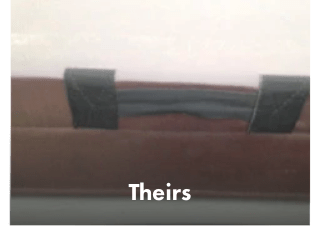
Their cheap handles are more prone to wear and tear and are known to rip off within the first two years plus the appearance speaks for itself.
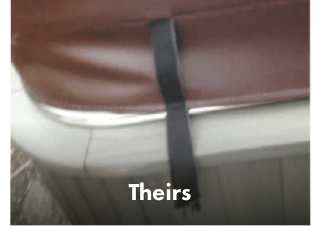
Our competition uses low-quality straps that are prone to breakage and often times do not match the color of the spa cover.
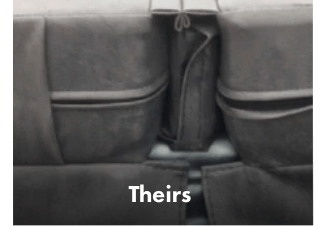
Their use of single stitching and exposed shells can ultimately cause cracking and heat loss, costing you more on your electric bill.
Why Choose MySpaCover?
We don’t just claim to have the best quality, we prove it through superior materials and craftsmanship. Every cover we produce is "Made in the USA" and built to exceed industry standards, ensuring your investment is protected for years to come.
We’ve found a few great alternatives to your selected spa cover that can reach you even quicker!
Here are the closest available alternatives based on your preferences.