What Temperature should my Hot Tub be set at?
Finding the perfect hot tub temperature can transform your soaking experience from merely pleasant to absolutely therapeutic. Whether you're looking to unwind after a long day, soothe tired muscles, or simply enjoy quality time with family and friends, understanding optimal temperature settings is essential for both comfort and safety.
The Standard Hot Tub Temperature Range
Most hot tub manufacturers and health experts recommend setting your hot tub between 100°F and 104°F (37.8°C to 40°C). The industry standard sweet spot is typically 102°F to 104°F, which provides maximum therapeutic benefits while remaining safe for most users.
The U.S. Consumer Product Safety Commission has established 104°F as the maximum safe temperature for hot tubs, and for good reason. At temperatures above this threshold, the risk of heat-related health issues increases significantly.
Why 104°F is the Maximum
Your body's core temperature naturally sits around 98.6°F. When you immerse yourself in water that's several degrees warmer, your body must work harder to regulate its temperature. At 104°F, this thermal stress reaches a critical point where prolonged exposure can lead to:
-
Overheating and heat exhaustion
-
Elevated heart rate and blood pressure
-
Dizziness or fainting
-
Dehydration
For most adults in good health, sessions at 104°F should be limited to 15-20 minutes. This allows you to enjoy the therapeutic benefits without overtaxing your cardiovascular system.
Finding Your Personal Comfort Zone
While 102°F to 104°F works for many people, your ideal temperature may vary based on several factors:
Seasonal Adjustments
Summer months: Many hot tub owners prefer cooler temperatures between 98°F and 100°F when ambient temperatures are high. This still provides relaxation and muscle relief without causing overheating.
Winter months: Cold weather may make the standard 102°F to 104°F range feel more comfortable, as the contrast between air and water temperature is more pronounced.
Duration of Use
If you plan to soak for extended periods (30 minutes or more), consider lowering the temperature to 98°F to 100°F. This allows for longer, more leisurely sessions without the health risks associated with prolonged heat exposure.
Physical Activity Level
Planning to use your hot tub after exercise? Start with a lower temperature around 100°F to allow your body temperature to normalize first. Jumping into a 104°F hot tub immediately after intense physical activity can strain your cardiovascular system.
Special Considerations for Different Users
Children and Hot Tub Safety
Children should never use hot tubs set at 104°F. Their smaller bodies are more susceptible to overheating, and they may not recognize warning signs of heat stress. For children:
-
Set the temperature no higher than 95°F to 98°F
-
Limit soak time to 5-10 minutes
-
Supervise children at all times
-
Keep children's heads above water
Many experts recommend that children under five years old avoid hot tubs entirely, as their bodies cannot regulate temperature as effectively as older children and adults.
Pregnant Women
Pregnant women should consult their healthcare provider before using a hot tub. Elevated core body temperature, particularly during the first trimester, has been associated with increased risks. If approved by a doctor, pregnant women should:
-
Keep water temperature at or below 100°F
-
Limit sessions to 10 minutes or less
-
Exit immediately if feeling overheated or dizzy
Seniors and Health Conditions
Older adults and individuals with cardiovascular conditions, diabetes, or other chronic health issues should exercise caution with hot tub use. Lower temperatures (98°F to 100°F) may be more appropriate, and consultation with a healthcare provider is advisable.
Energy Efficiency Considerations
Your hot tub's temperature setting directly impacts your energy costs. Each degree you lower the temperature can result in noticeable savings on your electricity bill. Here are some energy-efficient strategies:
Constant vs. Variable Temperature
Keeping it constant: Many experts recommend maintaining your hot tub at a consistent temperature year-round rather than turning it down when not in use. Modern, well-insulated hot tubs with quality covers lose minimal heat, and the energy required to reheat the water often exceeds the cost of maintaining temperature.
Vacation mode: If you'll be away for an extended period, lowering the temperature to 80°F to 90°F can save energy without allowing the water to become too cold. This "economy mode" keeps your filtration system running while reducing heating costs.
The Role of Insulation and Covers
A high-quality, properly fitted cover is essential for maintaining temperature and minimizing energy consumption. A good cover can reduce heat loss by up to 70%, significantly lowering operating costs regardless of your temperature setting.
Optimizing Your Hot Tub Experience
Pre-Soak Preparation
To maximize the benefits of your hot tub session at any temperature:
-
Stay hydrated by drinking water before entering
-
Shower to remove lotions, oils, and debris
-
Test the water temperature with your hand before fully immersing
-
Have a water bottle nearby for during and after your soak
During Your Soak
Pay attention to your body's signals. Warning signs that the temperature may be too high include:
-
Excessive sweating
-
Rapid heartbeat
-
Lightheadedness
-
Nausea
-
Extreme flushing
If you experience any of these symptoms, exit the hot tub immediately and cool down gradually.
Post-Soak Care
After your session, cool down slowly rather than plunging into cold water or rushing into air conditioning. Pat yourself dry, rehydrate with water, and allow your body temperature to return to normal naturally.
Maintaining Water Temperature Accuracy
Your hot tub's thermostat should be calibrated correctly to ensure accurate temperature readings. Consider these maintenance tips:
-
Test the water temperature with a separate, reliable thermometer periodically
-
Have your hot tub serviced annually to verify thermostat accuracy
-
Clean or replace filters regularly, as clogged filters can affect heating efficiency
-
Check that your cover fits properly and has no damage that could allow heat to escape
Regional and Climate Factors
Your geographic location may influence your ideal temperature setting:
Hot climates: Residents of warmer regions often prefer temperatures in the 98°F to 100°F range year-round, treating their hot tub more as a warm pool than a true "hot" tub.
Cold climates: Those in northern regions typically appreciate the full 102°F to 104°F range, especially during winter months when the contrast with frigid outdoor air makes the warmth more enjoyable.
High altitude: At higher elevations, water boils at lower temperatures, and the thinner air can affect how your body perceives temperature. You may need to adjust your settings slightly lower than you would at sea level.
The Bottom Line
The ideal hot tub temperature is ultimately a personal preference that balances comfort, safety, and efficiency. For most adults in good health, the recommended range of 100°F to 104°F provides optimal therapeutic benefits. However, don't be afraid to experiment within safe parameters to find what works best for you and your household.
Start with the standard 102°F setting and adjust up or down by one or two degrees based on how you feel during and after your soak. Remember that lower temperatures allow for longer sessions and are generally safer for a wider range of users.
By understanding the factors that influence optimal temperature settings and paying attention to your body's responses, you can create the perfect hot tub experience that's both enjoyable and safe for years to come.
Custom-Made for a Perfect Fit
Every spa is unique, which is why we don’t believe in "one size fits all." We specialize in custom hot tub covers designed using advanced CAD (Computer-Aided Design) technology. This ensures that every cover is built to your exact dimensions, providing a snug, airtight seal that locks in heat and keeps out debris.
If your current cover is heavy, waterlogged, or cracked, it’s time for a hot tub cover replacement. Our streamlined ordering process makes it easy to upgrade to a handmade, high-performance cover that will restore your spa’s efficiency and aesthetic appeal.

Heavy-Duty Handles
Double-stitched, marine-grade vinyl for maximum durability and a premium look.

Safety Straps
Reinforced, color-matched straps designed to withstand high winds and heavy use.

Reinforced Stitching
Double-stitched seams and hinges to ensure your cover lasts for years.
Other Guys
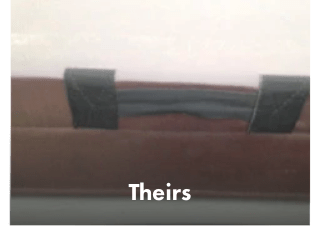
Their cheap handles are more prone to wear and tear and are known to rip off within the first two years plus the appearance speaks for itself.

Our competition uses low-quality straps that are prone to breakage and often times do not match the color of the spa cover.

Their use of single stitching and exposed shells can ultimately cause cracking and heat loss, costing you more on your electric bill.
Why Choose MySpaCover?
We don’t just claim to have the best quality, we prove it through superior materials and craftsmanship. Every cover we produce is "Made in the USA" and built to exceed industry standards, ensuring your investment is protected for years to come.
We’ve found a few great alternatives to your selected spa cover that can reach you even quicker!
Here are the closest available alternatives based on your preferences.